

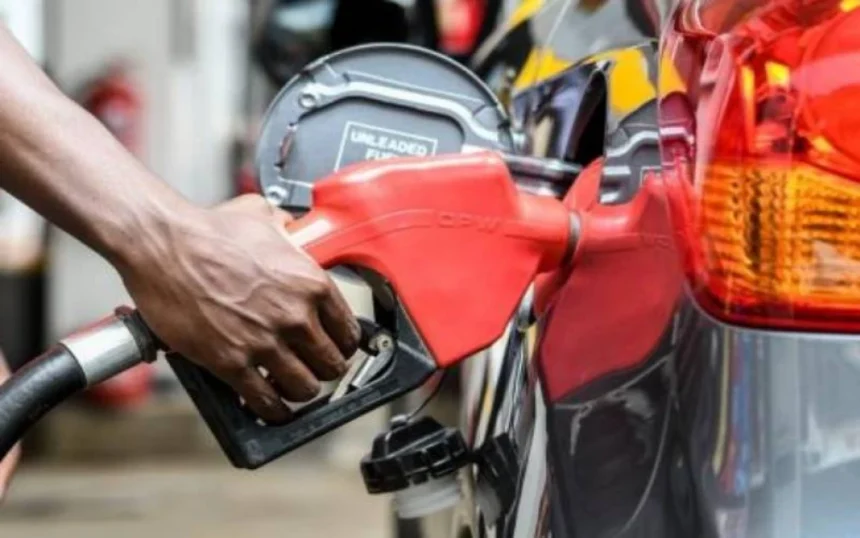
In a stunning display of “diplomacy by necessity,” the Energy and Petroleum Regulatory Authority (EPRA) has issued a revised pricing schedule just one day after announcing the largest fuel hike in Kenyan history. The reversal comes after a massive public outcry and a rapid legislative intervention by the National Treasury to slash Value Added Tax (VAT) on petroleum products from 13% to 8%.
Effective midnight, April 16, 2026, motorists will see a slight reprieve at the pump, though prices remain significantly higher than they were in March.
The New Math: What You’ll Pay at the Pump
The initial April 14 review had sent shockwaves through the country, pushing Petrol and Diesel past the KSh 200 mark for the first time. The new “Addendum” review, triggered by Legal Notice No. 70, has recalculated these figures.
New Nairobi Pump Prices (Effective April 16 – May 14, 2026):
Super Petrol: KSh 197.60 (Down from KSh 206.97) — A saving of KSh 9.37
Diesel: KSh 196.63 (Down from KSh 206.84) — A saving of KSh 10.21
Kerosene: KSh 152.78 (Unchanged, but with a reduced subsidy)
Why the Sudden Change?
The initial hike—which saw Diesel jump by an unprecedented KSh 40.30 per litre—was blamed on a “Middle East-driven supply shock” and rising landed costs. However, the political fallout was immediate.
The Linda Mwananchi brigade and other civil society groups threatened mass action, citing the hike as “tone-deaf” to the struggles of ordinary Kenyans. In response, the National Treasury acted swiftly to lower the VAT floor, marking the second tax adjustment in a single week (having first lowered it from 16% to 13% only 24 hours prior).
Key Factors in the April 2026 Crisis
While the VAT cut offers a cushion, the underlying economic pressures remain “radioactive”:
Landed Costs: The cost of importing Diesel surged by 68.72% in just one month due to disruptions in the Strait of Hormuz.
The Subsidy Shield: Without the KSh 6.2 billion deployed from the Petroleum Development Levy (PDL) and a massive KSh 96.56 per litre subsidy on Kerosene, prices would have been even more catastrophic.
The “MT Paloma” Controversy: Energy CS Opiyo Wandayi confirmed that a controversial 60,000-metric-tonne cargo was excluded from the price math to prevent an additional KSh 14 per litre spike.
Economic Ripple Effects
Despite the slight reduction, the Kenya Transporters Association (KTA) has already warned that a 25% hike in fares and freight costs is inevitable. With fuel making up 55% of operating costs for long-distance transporters, the small VAT cut may not be enough to prevent a surge in the price of basic commodities and food.
As the new prices take effect, all eyes remain on the global oil market and the stability of the Kenyan Shilling, which averaged 130.08 against the dollar in the last window.