

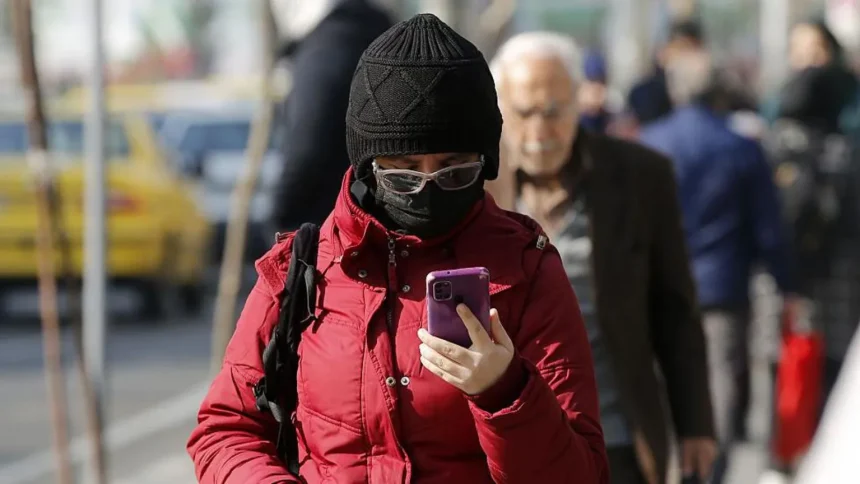
Internet access has started returning in Iran after months of severe nationwide restrictions that disconnected millions of citizens from the global web.
The restoration marks a major development following one of the longest internet shutdowns in the country’s history, which affected communication, businesses, education, and access to international platforms.
Reports from internet monitoring organizations showed signs of improving connectivity across several parts of Iran as authorities gradually restored selected online services.
The blackout had triggered widespread criticism from human rights groups and internet freedom advocates around the world.
Partial Internet Access Returns
According to reports, internet services began gradually returning in major cities including Tehran after months of restrictions.
Some users confirmed regaining access to websites, messaging apps, email services, and online platforms that had remained inaccessible during the shutdown.
However, experts noted that internet connectivity remains unstable and limited in many regions.
Mobile internet services reportedly continue facing restrictions while some social media platforms remain partially blocked.
Authorities said the restoration process is being carried out gradually under government supervision.
Officials described the move as part of efforts to restore “regulated internet access” while maintaining national security measures.
Months of Digital Isolation
The nationwide blackout began earlier this year during growing political tensions and unrest within the country.
Authorities defended the restrictions by claiming they were necessary to protect national security and prevent cyber threats.
Critics, however, accused the government of using the blackout to suppress protests, restrict communication, and limit access to information.
The shutdown left millions of Iranians unable to communicate freely with the outside world.
Businesses, students, journalists, and freelancers were among the groups most affected by the restrictions.
Many online businesses reportedly suffered major financial losses due to the prolonged disruption.
Businesses and Students Affected
The internet shutdown had a serious impact on Iran’s digital economy and daily life.
Freelancers, online sellers, software developers, and technology companies struggled to operate without stable internet access.
Students also faced challenges accessing online learning materials and educational platforms.
Families living outside Iran reportedly struggled to communicate regularly with relatives inside the country during the blackout.
Banking systems, international payments, and online services also experienced disruptions in some areas.
Experts say the prolonged restrictions significantly affected productivity and economic activity nationwide.
Government Defends Restrictions
Iranian authorities continued defending the blackout as a security measure aimed at protecting national infrastructure and preventing foreign cyberattacks.
Government officials argued that restrictions were necessary during periods of political tension and regional instability.
Some state officials also warned about online misinformation and digital threats linked to foreign actors.
Despite the restoration efforts, analysts believe the government may continue maintaining strong controls over internet activity.
Human rights organizations have repeatedly criticized the restrictions, calling them violations of freedom of expression and access to information.
Internet Freedom Debate Intensifies
The blackout reignited global debate about internet censorship and digital rights.
Internet freedom organizations described Iran’s shutdown as one of the most severe cases of state-controlled digital restrictions in recent years.
Experts warned that prolonged internet blackouts can isolate citizens, damage economies, and limit access to independent information.
Several international organizations urged Iranian authorities to restore unrestricted internet access fully.
Digital rights activists also argued that internet access has become essential for education, healthcare, communication, and economic survival.
The incident highlighted the growing global concern over governments using internet shutdowns during political crises.
Mixed Reactions from Citizens
News of the partial restoration triggered emotional reactions among many Iranians.
Some users celebrated finally reconnecting to global websites, social media platforms, and communication apps after months offline.
Others remained cautious, fearing authorities could impose new restrictions at any time.
Social media discussions reflected both relief and frustration over the long period of digital isolation.
Several citizens also expressed 9concerns about continued censorship and government monitoring of online activities.
The internet restoration quickly became a major topic of discussion both inside and outside Iran.
Connectivity Still Limited
Despite the improvements, internet monitoring experts say connectivity levels remain far below normal in many areas.
Some platforms and services are still difficult to access while speeds remain slower than usual.
Analysts believe it may take time before internet services fully stabilize nationwide.
There are also concerns that authorities could continue using selective restrictions to monitor and control online activity.
Observers say the coming weeks will determine whether Iran fully restores unrestricted internet access or maintains tighter digital controls.
Global Attention Remains Focused on Iran
Iran’s internet blackout attracted international attention throughout the shutdown period.
Human rights organizations, technology experts, and foreign governments closely monitored the restrictions and their impact on ordinary citizens.
Researchers studying internet censorship said the blackout demonstrated how governments can control digital communication during political crises.
The situation also renewed discussions about digital freedom, online privacy, and government surveillance worldwide.
As internet access slowly returns, millions of Iranians remain hopeful for a more open and stable online environment.
For now, uncertainty continues surrounding the future of internet freedom and digital access inside the country.