

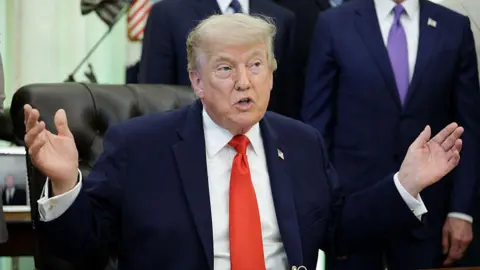
Fresh uncertainty has gripped the Middle East after U.S. President Donald Trump declared that the ceasefire with Iran was “over” and warned that the United States could launch new military strikes if necessary. His comments have sparked concern among world leaders, financial markets, and security analysts who fear that the region could once again move toward a period of heightened confrontation.
Although strong political rhetoric is not uncommon during international disputes, statements from world leaders can significantly influence diplomatic relations, military preparedness, and investor confidence. Trump’s remarks have therefore become a major focus of global attention, with governments closely monitoring Iran’s response and assessing the risk of further escalation.
As tensions continue to evolve, understanding the history, strategic importance, and possible consequences of renewed hostilities is essential for anyone following international affairs.
Why the Ceasefire Matters
A ceasefire is designed to halt military action and provide an opportunity for diplomacy. In conflicts involving major regional powers, even a temporary pause can help reduce civilian suffering, stabilize financial markets, and create space for negotiations.
However, ceasefires are often fragile. If one side believes the agreement has been violated or no longer serves its interests, tensions can quickly return.
Trump’s declaration that the ceasefire is “over” suggests that confidence in the agreement has significantly weakened. While this does not automatically mean a new military campaign is imminent, it raises the stakes for diplomatic efforts aimed at preventing further conflict.
A Long History of U.S.–Iran Tensions
Relations between the United States and Iran have been strained for decades, shaped by political disagreements, sanctions, and competing regional interests.
Major areas of dispute include:
Iran’s nuclear activities.
Regional military influence.
Maritime security in the Persian Gulf.
Support for allied armed groups.
Economic sanctions and international diplomacy.
Over the years, periods of confrontation have alternated with attempts at negotiation. This history means that any new escalation attracts immediate global attention.
Regional and Global Implications
The Middle East remains one of the world’s most strategically important regions due to its energy resources and vital shipping routes.
A renewed conflict involving the United States and Iran could have far-reaching effects, including:
Energy Markets
The Gulf region is a major supplier of global oil and natural gas. Rising tensions often lead to concerns about supply disruptions, which can influence international energy prices.
Global Trade
Shipping routes through the region are essential for international commerce. Increased military activity could affect transportation costs and supply chains.
Regional Security
Neighboring countries may face increased security risks if hostilities expand beyond the immediate parties involved.
Financial Markets
Investors generally react cautiously to geopolitical uncertainty, which can affect stock markets, currencies, and commodity prices.
The Role of Diplomacy
Despite heightened rhetoric, diplomacy remains a crucial tool in managing international crises.
Governments often continue negotiations through official meetings, third-party mediators, and private diplomatic channels even during periods of public confrontation. These efforts aim to reduce misunderstandings, prevent unintended escalation, and create opportunities for peaceful resolution.
International organizations and allied nations are also likely to encourage restraint while seeking to preserve regional stability.
Possible Scenarios
Several outcomes remain possible as the situation develops:
Renewed diplomatic talks.
Continued political rhetoric without direct military action.
Additional economic sanctions.
Limited military operations.
Broader regional confrontation.
Which scenario unfolds will depend on decisions made by political leaders and the effectiveness of ongoing diplomatic engagement.
Why the World Is Watching
The international community is paying close attention because developments in the Middle East rarely remain confined to the region.
Changes in security conditions can affect:
Global energy supplies.
International investment.
Airline and shipping operations.
Tourism.
Humanitarian conditions.
International political alliances.
For businesses, governments, and ordinary citizens alike, stability in the region has significant economic and security implications.
Conclusion
Donald Trump’s warning of possible new strikes against Iran has once again placed the Middle East at the center of global attention. His declaration that the ceasefire is “over” underscores the fragile nature of regional security and highlights the challenges facing diplomats seeking to prevent further escalation.
While the situation remains fluid, it is important to distinguish between political statements and confirmed military actions. As governments continue to monitor developments and pursue diplomatic solutions, the coming days will be critical in determining whether tensions escalate or opportunities for renewed dialogue emerge.
For now, the world watches closely, aware that decisions made by leaders in Washington and Tehran could shape the future of regional stability and influence the global economy.