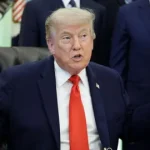


The images are grand: President William Ruto shaking hands with President Donald Trump in the Oval Office, leaders gathered around a historic peace treaty. For many Kenyans watching from Nairobi, Mombasa, or Eldoret, it can all feel like distant political theater. Headlines about “strategic partnerships” and “bilateral frameworks” often fail to connect the dots back to the price of flour, the wait at a local clinic, or the security of a small business. But this trip to Washington is different. Strip away the diplomatic polish, and you find a series of negotiations with the potential to directly impact the lives of millions of Kenyans. This is about translating high politics into practical gains.
Think of it this way: Kenya’s foreign policy is no longer just about solidarity and speaking on global stages. Under President Ruto, it has become an active tool for economic diplomacy—a means to attract the capital, technology, and partnerships needed to solve domestic problems. This Washington mission is perhaps the clearest test yet of that approach. So, let’s move beyond the signing ceremonies and translate the agenda into three areas that touch every Kenyan: the economy, healthcare, and security.
1. The Job Agenda: Will U.S. Dollars Land in Kenyan Projects?
The most direct promise for ordinary Kenyans lies in the economic talks. President Ruto isn’t going to Washington with a begging bowl; he’s going with a prospectus. His team is pitching specific, large-scale projects to U.S. investors under Public-Private Partnerships (PPPs). The success of this pitch could mean:
Cheaper Power & New Jobs: A major U.S. investment in geothermal or wind energy isn’t just about megawatts. It’s about constructing power plants, which creates thousands of temporary construction jobs. More importantly, it means more stable, and potentially cheaper, electricity in the long run. For the mama mboga running a fridge, the welder in an industrial park, or the entrepreneur starting a food processing plant, reliable, affordable power is the difference between thriving and surviving.
From Farm to Fork (and Export): Talks on agro-industry aren’t abstract. They are about securing funding and technology for large-scale irrigation and food processing factories. For a maize farmer in Trans-Nzoia, this could mean a guaranteed off-take market for their crop at a better price. For a young graduate in Nakuru, it could mean a job as a food scientist or logistics manager in a new processing plant, adding value to what Kenya grows instead of just exporting raw materials.
The Digital Dividend: Investment in Kenya’s digital infrastructure means more than faster internet. It means a young app developer in Kisumu can seamlessly collaborate with a partner in Silicon Valley. It means a farmer in Kitui can access real-time market prices on their phone. It means a student in Mandera can take online courses from anywhere. This isn’t just about connectivity; it’s about leveling the economic playing field across the entire country.
The bottom line: The economic ask in Washington is fundamentally about job creation, lowering the cost of production for Kenyan businesses, and building the foundational infrastructure (energy, roads, internet) that allows every sector to grow.
2. The Health Agenda: From Emergency Aid to a Sustainable System
The signing of the Kenya-U.S. Health Cooperation Framework is a technical term for a profound shift with very personal implications. For decades, HIV treatment and many other health programs have been supported by generous but unpredictable foreign aid. This new framework aims to change that model to a predictable, Kenyan-led system. For you and your family, this could mean:
No More Drug Stockouts: A sustainable, government-led funding model aims to end the nightmare of antiretroviral or chronic disease medicines being out of stock at your local clinic. Predictable funding allows for better long-term planning and procurement.
Stronger Local Clinics: The framework’s focus on building a “self-reliant” health system means investing in training more nurses and clinical officers and equipping county hospitals. This reduces the need for costly referrals to Nairobi for basic care.
Fighting the Next Pandemic (and Diabetes): The partnership is expanding beyond infectious diseases. It will now focus on strengthening Kenya’s ability to manage the surge of non-communicable diseases like diabetes, cancer, and hypertension—the silent killers overwhelming families and the economy. This means better screening at the primary care level and more affordable treatment.
The bottom line: This health deal is about moving from a system that often feels like an emergency patchwork to one that is reliable, resilient, and focused on keeping Kenyans healthy for a lifetime, not just treating them in crisis.
3. The Security & Stability Agenda: Peace Next Door, Safety at Home
The DRC-Rwanda Peace Agreement signing is not just a foreign policy win. A stable, peaceful eastern DRC has direct benefits for Kenya:
Safer Borders & Cheaper Goods: Conflict spillover has long been a security concern in border regions. A lasting peace reduces this threat. Furthermore, stable neighbors mean more reliable trade routes. Goods coming from or through the DRC could become cheaper and more plentiful if armed groups aren’t blocking roads and extorting traders.
Kenya as the Gateway: If peace holds, the reconstruction of Eastern DRC will require massive amounts of goods and services. Strategically positioned Kenyan companies—from logistics firms to construction companies to banks—could become the primary suppliers, creating a huge economic opportunity. The peace Kenya helps midwife could open a vast new market for its goods and services.
The bottom line: Regional stability isn’t an abstract ideal; it’s a prerequisite for national prosperity. A peaceful neighborhood means safer borders, lower costs for imports, and new markets for Kenyan businesses.
The Final Calculation
President Ruto’s trip is a high-stakes investment of political capital. The return on that investment won’t be measured in diplomatic cables but in the tangible changes Kenyans feel over the coming years: a new factory opening in their county, a consistent supply of medicine at their clinic, a sense of greater security and opportunity. The deals signed in Washington are just the first step. The real work—the implementation, the oversight, the relentless follow-up—will determine if this moment of high diplomacy truly translates into a better life for the citizens back home. The world is watching Kenya on a global stage; now Kenyans will be watching to see if that stage delivers for them.