

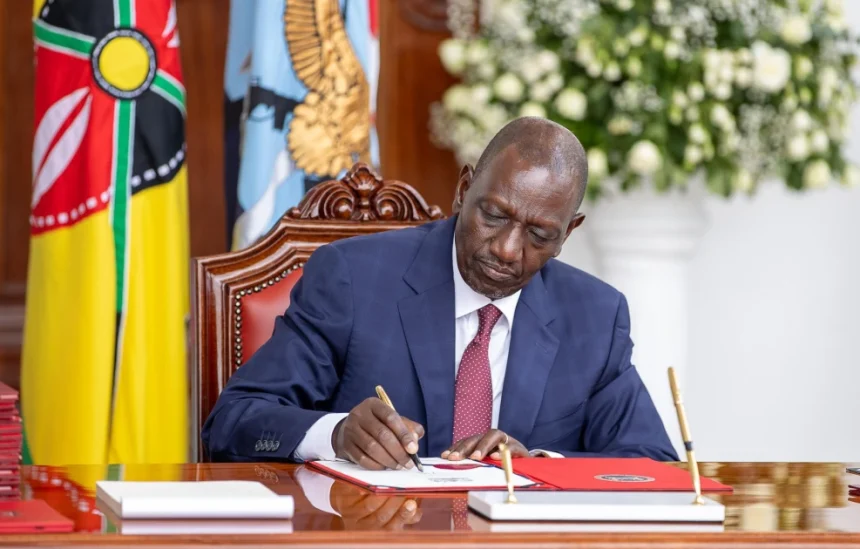
For years, Konza Technopolis operated under a temporary order. The new Technopolis Bill 2026 provides the permanent legal “teeth” required to manage a project of this scale. The former Konza-specific authority has been replaced by the Technopolis Development Authority (TDA), which now oversees the entire national ecosystem of tech cities.
Key Powers of the TDA:
One-Stop Shop Licensing: The TDA now acts as the sole regulator within any designated Technopolis. This means investors no longer have to navigate multiple county and national government offices for building permits, environmental impact assessments, or business licenses.
Infrastructure Management: The TDA is responsible for maintaining world-class utilities—specifically 5G fiber networks, data centers, and reliable power grids—essential for high-tech manufacturing and AI research.
Designating New Hubs: The Bill allows the Cabinet Secretary for ICT, in consultation with the TDA, to designate new areas as “Technopolises.” We can expect to see satellite hubs emerging in Kisumu, Eldoret, and Mombasa to mirror the Konza model.
The “Innovation Incentives” for Startups
The Bill isn’t just about big buildings; it’s about the people inside them. To attract the best talent and the most daring startups, the law introduces several “Innovation Protections.”
Intellectual Property (IP) Fast-Track: Startups operating within a designated Technopolis will have access to a fast-tracked patenting process, ensuring their inventions are protected globally at a fraction of the usual time.
Regulatory Sandboxes: The law creates “Safe Zones” where fintech and biotech companies can test new products without being immediately subject to the full weight of existing regulations—perfect for testing drone delivery or blockchain payment systems.
Specialized Dispute Resolution: A new Technopolis Dispute Resolution Tribunal has been formed to ensure that technical disagreements between tech firms are settled by experts who understand the industry, rather than traditional courts.
What it Means for the 2026 Job Market
The primary goal of the Technopolis Bill is the creation of “Digital Jobs.” The government expects that by standardizing the management of these hubs, it can attract the regional headquarters of global tech giants like Microsoft, Google, and Amazon.
Economic Insight: The TDA estimates that for every 1 job created directly within a Technopolis, 4 indirect jobs are created in the local service economy—from logistics and catering to specialized maintenance and security.
Conclusion: The Triple-Bill Legacy
By signing the Income Tax, SEZ, and Technopolis Bills together, President Ruto has created a “Triple-Threat” legal framework:
Income Tax: Makes it cheaper to restructure and grow.
SEZ: Makes it profitable to manufacture and export.
Technopolis: Provides the high-tech home for the future of work.
Nairobi is no longer just the gateway to East Africa; with these laws, it is positioning itself as the continent’s premier headquarters for the global digital economy.