

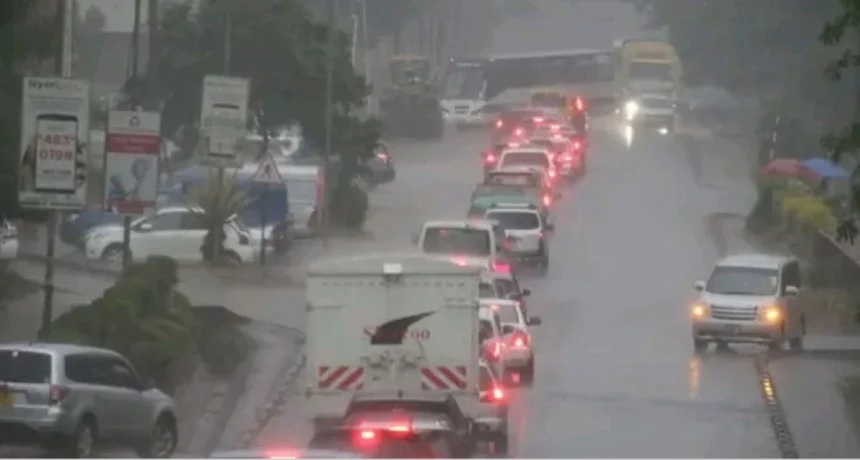
The heavy rains hitting the Central Highlands (the “Food Basket” of Nairobi) have a direct impact on the stalls of Mwakirunge, Muthurwa, and City Market.
1. Harvest Disruptions
Farmers in Nyandarua and Kiambu are struggling to harvest crops from waterlogged fields. Muddy roads have made it impossible for “lorries” to reach farm gates, leading to a shortage of:
Leafy Greens: Sukuma wiki and spinach are highly susceptible to rotting in flooded fields.
Potatoes and Tomatoes: Excess moisture leads to blight and post-harvest losses.
2. Logistics Inflation
Transporters are charging a “Rain Premium.” Longer travel times due to flooded sections of Thika Road and the A104 mean higher fuel consumption and vehicle maintenance costs, which are passed directly to the consumer. Expect a 15–20% increase in the price of fresh produce through the weekend.
The Invisible Threat: Public Health and Water Safety
As drainage systems fail, the line between clean water and sewage becomes dangerously blurred. The Ministry of Health has issued a high-alert notice for Nairobi’s informal settlements and low-lying estates.
1. Preventing Waterborne Diseases
The risk of Cholera, Typhoid, and Dysentery spikes during the “Saturation Phase” of the rains.
Boil Everything: Even if you use “tap water,” assume the pipes may have been contaminated by seepage. Boil all drinking and cooking water.
Chlorination: If boiling isn’t an option, use water treatment tablets (like WaterGuard) which are available at most local chemists.
Avoid “Street Food” near Drains: Be extremely cautious of open-air food vendors operating near stagnant water or clogged drainage.
2. The Mosquito Surge
Stagnant water is a breeding ground for mosquitoes. Within 7 to 10 days of the rains subsiding, Nairobi usually sees a spike in Malaria and Dengue Fever cases.
Action: Clear any standing water in old tires, flower pots, or clogged gutters around your home. Ensure your mosquito nets are intact and treated.
Post-Flood Structural Integrity: Checking Your Home
Once the rain stops, the danger isn’t entirely over. The “After-Flood” surge occurs when the ground begins to shift as it dries.
Foundation Cracks: Inspect your perimeter walls and house foundation for new or widening cracks. Saturated soil exerts massive “hydrostatic pressure” on walls.
Electrical Safety: If your home experienced flooding, do not turn on the power until a certified electrician has inspected the sockets and wiring. Damp walls can carry an electrical current, leading to a risk of electrocution.
Mold Management: Dampness leads to mold, which can trigger respiratory issues and asthma. Use a mix of vinegar and water to scrub affected walls and ensure maximum ventilation once the sun comes out.
The Recovery Outlook
The Kenya Met Department expects the rains to begin tapering off after May 14, but the “Downstream Effect” will keep the Tana River and lower Athi River regions at risk for another week.