
As details filter out from the G7 meeting in France and diplomatic circles in Islamabad, the sheer scope of what led to the signed June 2026 U.S.-Iran Memorandum of Understanding (MoU) is becoming clear. This wasn’t a standard diplomatic breakthrough; it is the direct result of a crushing, three-month military campaign that fundamentally altered the structure of the Iranian state.
The war, which began in late February 2026, saw an unprecedented escalation when U.S. airstrikes killed Iran’s Supreme Leader, Ayatollah Ali Khamenei. Facing severe structural collapse, a crippling naval blockade, and direct domestic instability, the remaining leadership in Tehran was forced to accept a framework that critics call a historic compromise and supporters call a masterstroke of hard power.
The B-2 Bomber Clause: Hunting the “Nuclear Dust”
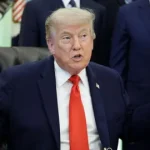
The most stunning revelation regarding the secret deal came directly from President Trump on Truth Social. He outlined an aggressive plan to completely neutralize Iran’s highly enriched uranium stockpiles—not by relying on international inspectors, but by sending American assets directly into Iranian territory.
The Jerusalem Post
“At the appropriate time, when all is calm, we will go in and get the Nuclear Dust, buried deep under the powerful sunken granite mountains, thanks to our beautiful B-2 Bombers and their brilliant pilots, and downblend and destroy it, whether in Iran, or the United States,” Trump posted.
TIME
This “Nuclear Dust” directive implies that the U.S. military has secured explicit permission or operational rights to extract and destroy enriched material from deeply fortified bunkers like Fordow and Natanz. Under the reported 60-day framework, the material will either be downblended on-site under heavy military supervision or flown directly to secure U.S. facilities for permanent destruction.
The Strategic Timeline of the 2026 Conflict
The War Begins & Decisive Strike
Late February 2026
Hostilities erupt across the region. A targeted U.S. strike kills Iran’s Supreme Leader, Ayatollah Ali Khamenei, plunging the regime into a leadership crisis.
The Strait of Hormuz Blockade
March – May 2026
Tehran responds by militarizing and completely sealing the Strait of Hormuz, shutting down 20% of global oil shipments and causing energy prices to skyrocket worldwide.
Secret Mediation via Pakistan & Qatar
May 2026
Pakistani Prime Minister Shehbaz Sharif and Qatari diplomats launch an intensive, multi-month secret backchannel to prevent a full-scale ground war.
The Deal Announced & Signed
June 14–15, 2026
Trump announces the deal is complete on Truth Social, later confirming to French President Macron that the document is “all signed” electronically.
The Geneva Summit
Friday, June 19, 2026
The official, high-level signing ceremony is scheduled to take place in Geneva, Switzerland, formally unlocking the Strait of Hormuz.
Atmosphere of Continued Distrust: Tehran’s Cautious Stance
Despite Trump’s triumphant declarations, the rhetoric coming out of Tehran is starkly different. Iranian Deputy Foreign Minister Kazem Gharibabadi stated on state television that the text of the MoU has indeed been finalized, but warned his citizens against assuming relations with Washington have healed.
CBS News
According to the Iranian state-linked Tasnim news agency, Gharibabadi emphasized that the text “does not signify trust in the enemy and was drafted in an atmosphere of continued distrust.” Iranian officials are maintaining that they will not implement any nuclear rollback until the U.S. Naval blockade is visibly dismantled and billions in frozen assets clear international banking channels.
CBS News
Domestic Backlash: Congress Moves to Stop the Deal
While international markets have rallied and oil prices have taken a dramatic downturn, Donald Trump faces a brewing storm on Capitol Hill.
Democratic lawmakers, alongside hawkish Republicans, have raised severe concerns regarding the lack of transparency surrounding the 14-point memorandum. Because the text was signed electronically and bypassed standard congressional review, lawmakers are arguing that Trump is overstepping his executive authority.
TIME
Verification Concerns: Critics argue that relying on a 60-day window to extract uranium from deep granite mountains is logistically impossible without an occupying force.
The Foreign Intermediary Issue: Some intelligence officials are uncomfortable with the massive level of control given to Pakistan and Qatar in supervising the neutral border zones.
Conclusion: The Fragile Path to Friday
The upcoming Geneva summit on June 19 is no longer just a diplomatic formality; it is a high-stakes arena where the physical transfer of nuclear material, the lifting of a global naval blockade, and the fate of Middle Eastern energy lanes hang in the balance. Trump has promised the details will be released “pretty soon” after Friday—and the world will be dissecting every single word.
Connecticut Public