
Court Examines Timeline of Events
As the murder trial over the death of Albert Ojwang continues, prosecutors are working to establish a detailed timeline of what happened inside Nairobi Central Police Station during the hours leading up to his death.
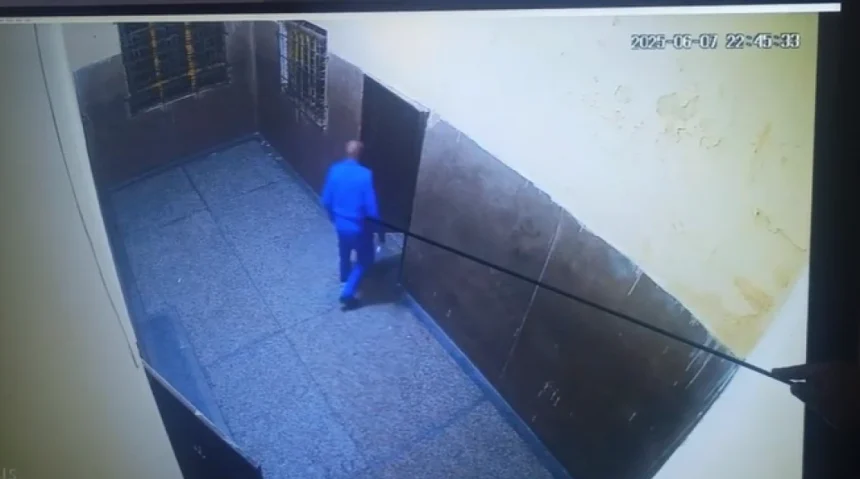
The CCTV footage presented in court is intended to help reconstruct movements within the station, identify officers on duty, and determine who had access to the detention area. Prosecutors argue that surveillance evidence, combined with witness testimony and forensic findings, may help clarify the sequence of events.
The defense, meanwhile, is expected to challenge the prosecution’s interpretation of the footage and other evidence as the trial progresses.
The Role of the Cell Sentry
One of the key issues raised during the proceedings concerns the responsibilities of the officer assigned as the cell sentry.
According to testimony presented in court, the sentry is responsible for monitoring detainees, controlling access to the cells, and maintaining security within the holding area. The prosecution alleges that CCTV footage places Constable Peter Kimani in that role during the period when Albert Ojwang was in custody.
The fact that an officer was serving as the designated sentry does not, by itself, establish criminal responsibility. Instead, prosecutors are using the evidence to identify who was on duty and how access to the cells was managed during the relevant period.
Why CCTV Footage Is Significant
Video surveillance has become an increasingly important form of evidence in criminal investigations because it can help verify timelines, confirm the presence of individuals at specific locations, and support or challenge witness accounts.
In this case, prosecutors believe the CCTV recordings provide an objective record of movements inside the police station. The footage is being examined alongside other evidence, including witness testimony, forensic reports, and official police records.
Ultimately, the court will decide what weight to give the CCTV evidence after hearing arguments from both the prosecution and the defense.
Public Interest and Calls for Accountability
Albert Ojwang’s death sparked widespread public concern and renewed debate about the treatment of detainees while in police custody.
Civil society organizations, legal experts, and human rights advocates have called for a transparent judicial process to determine the facts and ensure accountability where appropriate.
The case has also intensified discussions about police oversight, detention procedures, and the importance of surveillance systems in protecting both detainees and law enforcement officers.
What Happens Next?
The trial is expected to continue with additional witnesses, forensic experts, and investigators presenting evidence before the court.
The defense will have an opportunity to cross-examine prosecution witnesses and present its own evidence before the court reaches any conclusions.
As with any criminal trial, the accused are presumed innocent unless proven guilty in court.
Conclusion
The presentation of CCTV footage marks a significant stage in the Albert Ojwang murder trial, providing the court with additional evidence to consider as it examines the circumstances surrounding his death in custody.
While the footage has become a central focus of the proceedings, it represents only one part of the overall evidence. The final outcome will depend on the court’s assessment of all testimony, forensic findings, and legal arguments presented during the trial.