

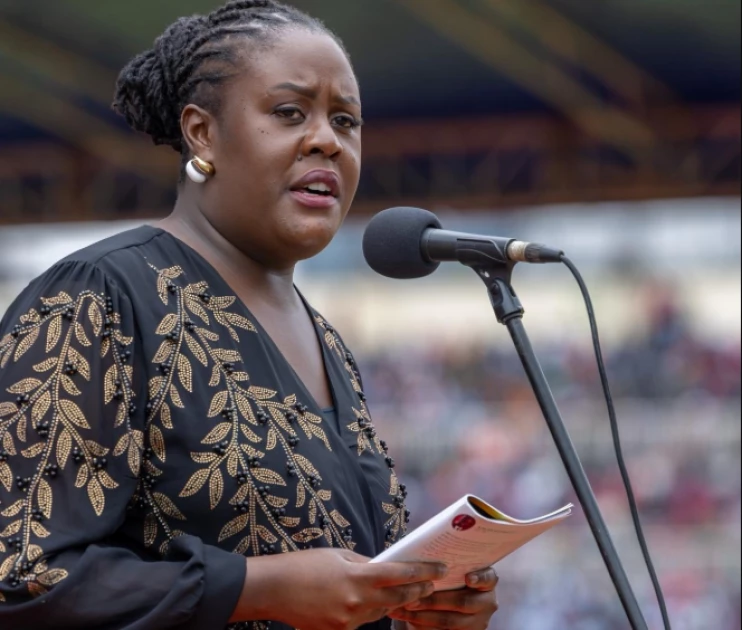
When Winnie Odinga steps into the political spotlight, she carries more than just a famous surname—she embodies a new archetype of political heir: digitally-native, policy-focused, and keenly aware of the need to earn legitimacy beyond family legacy. Unlike previous generations who inherited political machines and ethnic strongholds, today’s dynasty heirs like Winnie are inheriting a brand—and a burden—in an age of skeptical youth, social media scrutiny, and demand for substance over symbolism.
This blog explores how Winnie Odinga and her peers across Kenyan political families are navigating the delicate balance between leveraging their legacy and forging their own authentic, modern political identities.
1. The “Legacy 2.0” Playbook: How Today’s Political Heirs Operate
A. Digital-First Persona Building
Then: Rallies, harambees, vernacular radio.
Now: Instagram Lives, TikTok policy snippets, X (Twitter) threads.
Winnie’s approach: Uses platforms to discuss climate action, youth unemployment, and tech inclusion—topics that transcend traditional ethnic-political framing.
B. Specialization Over Generalization
Then: Heirs were expected to be “heir apparent”—focus on taking over the whole mantle.
Now: Many carve specific policy niches.
Example: Winnie focuses on digital economy and youth entrepreneurship.
Other heirs: Some specialize in health, education reform, or climate.
C. Collaborating Beyond Dynasty Circles
Previous heirs mainly networked within established party and family alliances.
Today’s heirs collaborate with NGOs, tech startups, international youth forums, and even artists and influencers to build cross-cutting appeal.
D. Embracing (Controlled) Vulnerability
Then: Heirs maintained a stoic, authoritative image.
Now: Sharing personal journeys, struggles, and learning curves to humanize themselves.
Winnie has spoken about balancing public life with personal growth, a relatability strategy.
2. Case Studies: The New-Gen Dynasty Heirs Across Kenya
Heir Family Niche/Approach Platform Strength
Winnie Odinga Odinga Digital economy, youth advocacy Instagram, youth forums
Jomo Kenyatta Jr. Kenyatta Private sector-led development Business networks
Raymond Moi Moi Sports development, youth talent County engagement
Edith Muthoni Gachagua Gachagua Social welfare, gender issues Grassroots outreach
Brian Mwangi Ndegwa Ndegwa (Nyeri) Tech innovation in agriculture LinkedIn, tech hubs
3. The Double Burden: Privilege and Scrutiny
Advantages They Enjoy:
Instant name recognition and media attention.
Access to networks (funding, advisors, institutions).
Built-in voter loyalty in family strongholds.
Unique Challenges They Face:
Higher expectations to be exceptional, not just competent.
Accusations of entitlement (“she’s only there because of her father”).
Legacy baggage: Must defend or distance from controversial family history.
Authenticity tests: Youth can spot performative politics quickly.
4. Winnie Odinga’s Balancing Act: A Closer Look
Her Modern Toolkit:
Content Over Confrontation: Focuses on policy discussions rather than political rhetoric.
Visual Storytelling: Uses photos/videos of field visits, innovation hubs, and community dialogues.
Selective Legacy Engagement: References her father’s principles (social justice), not just his political battles.
Co-Branding with Issues: Becoming synonymous with “youth digital opportunities.”
The “Uncle Oburu” Statement as Strategy:
Her recent denial of a split wasn’t just about unity—it was a demonstration of loyalty, a currency still valuable in Kenyan politics, while allowing her to define that loyalty on her own terms.
5. Public Reception: How Kenyans View Modern Heirs
Youth (18–35):
Cautious optimism: Appreciate the fresh approach and digital fluency but demand tangible results.
Online engagement: High interaction on social media, but conversion to votes remains untested.
Older Generations:
Respect the legacy, but some are wary of “too much change too fast.”
Value continuity—will support heirs seen as respectful custodians of family political heritage.
Opponents & Critics:
Use “born with a silver ballot” narratives to undermine them.
Challenge them to win outside family strongholds.
6. The Risk of “Woke-Washing”: Authenticity vs. Performance
A significant danger for modern heirs is being perceived as “politically woke” online but functionally unchanged on the ground.
Example: Posting about climate change but not pushing related bills in policy spaces.
Mitigation: They must align online advocacy with offline action—legislative, community, or entrepreneurial.
7. Redefining Success: What “Victory” Looks Like for Modern Heirs
For older generations: Success = winning the seat, retaining the stronghold.
For heirs like Winnie: Success could be:
Expanding the brand beyond ethnic/regional base.
Translating digital influence into policy impact (e.g., a youth digital bill).
Creating new political templates that others (including non-dynasts) can follow.
Earning credibility detached from the surname (“She’s effective” vs. “She’s an Odinga”).
8. The Future: Will Modern Heirs Democratize Dynasties or Perpetuate Them?
Optimistic Scenario (Democratizing Influence):
Heirs use their platforms to mentor non-dynasty talent.
They advocate for institutional reforms (campaign finance, party democracy) that level the playing field.
Legacy becomes a launchpad for inclusive politics.
Pessimistic Scenario (Perpetuating Privilege):
Digital savvy becomes just a new tool for old dynasty politics.
Heirs monopolize youth appeal, crowding out authentic new voices.
Dynasties become more resilient by adapting superficially without ceding power.
Conclusion: The Legacy of Legacies
Winnie Odinga and her generation of political heirs stand at a historic crossroads. They have the unprecedented opportunity to redefine what political inheritance means in a democratic Kenya—transforming it from a right to rule into a platform for service, innovation, and bridge-building.
Their success won’t be measured merely by whether they win seats, but by whether they expand the political imagination of a nation—proving that a famous name can be the beginning of the conversation, not the end of it.
As one young voter tweeted during Winnie’s recent press briefing:
“I don’t care whose daughter she is. I care whose future she’s fighting for.”
That, perhaps, is the ultimate test for the modern dynasty heir.
Your Take:
Do you believe modern political heirs like Winnie Odinga represent real change or repackaged dynasty politics? What should be their measure of success?