
A Conflict Measured in More Than Votes and Aid
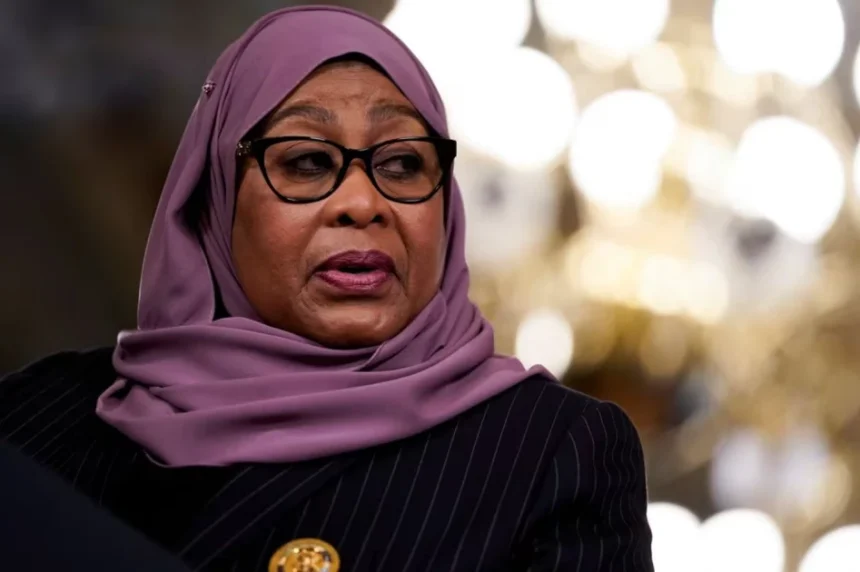
The most powerful image from Tanzania’s recent political crisis is not just of ballot boxes or diplomatic letters, but of a deep generational divide. When President Samia Suluhu Hassan stood before the nation in early December 2025 to deliver her defiant “Who are you?” speech, she aimed a crucial part of her message at a domestic audience: the country’s youth. She accused opposition politicians of “misleading our youth” into violence, framing them as naive pawns in a cynical political game. This highlighted the central, often unspoken, battleground of modern Tanzanian politics: the struggle to define and win the loyalty of a massive, connected, and increasingly frustrated young population.
This conflict goes beyond the immediate fight over election results or frozen EU aid. It is a deeper war over narrative, opportunity, and the nation’s future. The opposition counters by portraying the state as the aggressor—claiming security forces shot and killed scores of young protesters. Stuck in the middle of these competing stories is a generation that represents both Tanzania’s greatest hope and its most volatile political issue. The core question is no longer just who won the election, but whose vision of the future will the youth believe?
The “Misled Generation”: A Political Tactic and a Warning
President Samia’s description of the youth as “misled” is a powerful political tool. On one level, it is a way for the state to avoid blame. By painting young protesters as innocent but manipulated children, it shifts responsibility away from the government’s own policies. It frames the violence not as a genuine uprising from real problems, but as a manufactured rebellion created by selfish politicians. In this story, the youth are not independent political thinkers but victims.
Conversely, it is also a warning about lost potential. It acknowledges the powerful energy of young Tanzanians—a force that could build the nation, but which, if directed wrongly, could destroy it. This narrative speaks to a real anxiety among older generations and the political establishment about a demographic they struggle to understand or control.
The Opposition’s Counter-Narrative: Martyrs, Not Misled
The opposition, led by figures like Tundu Lissu, offers a completely different story. In their version, the youth are not dupes but martyrs and heroes. They are brave citizens standing up for their stolen votes and a stolen future against a repressive state. By claiming that over 100 young people were killed, the opposition transforms them from “misled” children into symbols of state brutality and political sacrifice.
This narrative is incredibly potent. It taps into powerful themes of injustice, courage, and betrayal. It gives a clear enemy—the government—and a noble cause—the fight for democracy. For a young person facing few opportunities, being cast as a hero in a national struggle can be a compelling identity.
The Powder Keg: Economic Stagnation Meets Digital Awakening
Why is this generation such a contested battleground? The reasons are both economic and technological.
The “Graduation with No Job” Generation: Tanzania has a massive youth bulge. Every year, universities and colleges produce thousands of graduates who enter an economy that cannot create enough formal jobs. This creates a deep reservoir of educated frustration—young people who were promised a better future through education but find themselves unemployed or underemployed. This frustration is a ready-made fuel for political unrest.
The Digital Divide (in Understanding): Tanzania’s youth are among the most connected in Africa. They use social media to access information, organize, and see how their peers live in other countries. The older political elite, however, often views these digital spaces with suspicion, seeing them as channels for foreign influence and “fake news.” This creates a fundamental disconnect. The state’s response—like the internet shutdowns during the protests—is seen not as a security measure by the youth, but as an attempt to silence them and keep them in the dark.
Caught in the Crossfire: The Human Cost
The real tragedy is the human cost paid by young Tanzanians, regardless of which narrative is true.
Lost Lives and Livelihoods: Those killed or injured in the protests are often from this generation. For those arrested, a criminal record can destroy future employment prospects, perpetuating the cycle of frustration.
A Deepening Cynicism: When young people see their political energy being used as a talking point by both sides—as either “misled tools” or “revolutionary martyrs”—it breeds a deep distrust of all politics. They risk becoming permanently alienated from the political system, which is dangerous for the country’s long-term stability.
The Silencing of Genuine Grievances: By framing the unrest as purely a political manipulation, the state risks ignoring the legitimate, everyday economic and social complaints that drove young people to the streets in the first place. Treating a symptom (the protest) without addressing the cause (joblessness, inequality) ensures the problem will return.
Conclusion: Beyond “Misled” – A Need for a New Contract
The war over the narrative of Tanzania’s youth is a fight for the country’s soul. Both the government and the opposition are trying to claim this generation for their own purposes. However, until the nation’s leaders move beyond using the youth as political symbols and start addressing them as citizens with real needs, the crisis will continue.
The path forward requires a new social contract. It means creating an economy that offers real hope through jobs and entrepreneurship. It means engaging with young people in the digital spaces they inhabit, not shutting them down. It means viewing their energy not as a threat to be suppressed or a tool to be manipulated, but as the country’s most vital resource to be harnessed.
President Samia asked the world, “Who are you?” But the more urgent question for Tanzania’s future might be directed inward: “Who are we to our youth?” The answer will determine whether the next generation builds the nation or burns it down.
This response is AI-generated, for reference only.