
The Invisible Casualties of a Holy War
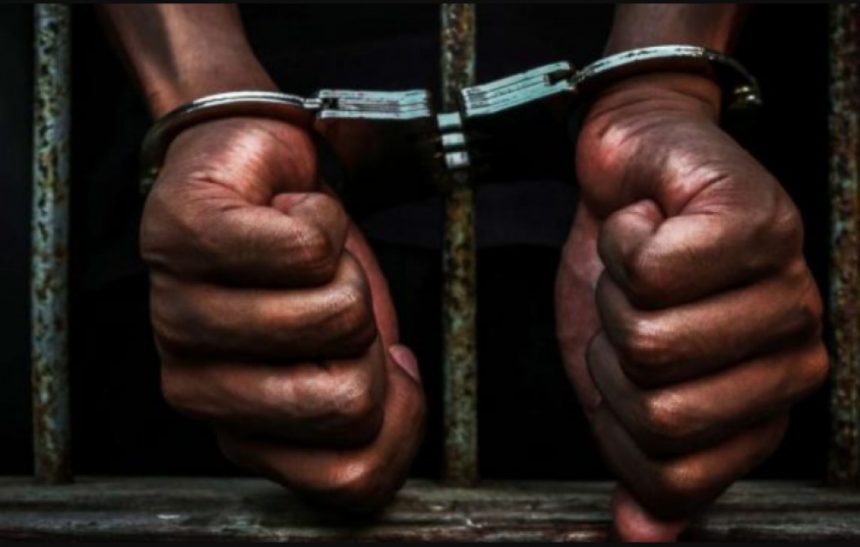
The headlines are dramatic: “Seven Arrested in Church Chaos,” “Factions Clash at PCEA.” The news cameras capture the broken glass, the police tape, and the defiant faces of rival leaders being led to court. In the legal drama that follows at places like the Makadara Law Courts, the narrative centers on charges of unlawful assembly, creating a disturbance, and the legal battle for a KSh 50,000 cash bail. But in focusing on the combatants—the rival pastors, the ambitious elders, the factions fighting for control—we risk missing the true, silent victims of these holy wars: the ordinary congregants.
While leaders fight over titles and property titles, the people in the pews suffer a different kind of loss. Their sanctuary is violated, their community shattered, and their faith shaken to its core. The conflict at the Kariobangi North PCEA church is not an abstract governance failure; it is a deeply personal tragedy for the hundreds of members who called that place their spiritual home. They are the collateral damage in a battle they did not start, for a prize they never sought.
A Lost Spiritual Home: More Than Just a Building
For a faithful member, a church is not just a physical structure; it is an ecosystem of meaning. It is where their children were baptized, where they found solace during grief, where they celebrated weddings, and where they built a second family. The violent desecration of that space is a profound trauma.
The Shattered Sanctuary: When a place of quiet prayer becomes a scene of shouting matches and physical altercations, its fundamental purpose is destroyed. Members report feeling a deep sense of betrayal and spiritual homelessness. “Where do I go now?” becomes a haunting question. The building may still stand, but the peace and safety it once offered are gone.
The Fractured Fellowship: Church is about koinonia—deep fellowship. These conflicts irrevocably split that body. Lifelong friends find themselves on opposing sides of a picket line. Prayer groups disintegrate. The simple act of attending a service becomes a political statement, forcing members to choose loyalty over community. The social fabric, carefully woven over years, is torn apart in an instant.
The Heavy Price: From Bursaries to Broken Trust
The impact extends far beyond Sunday mornings. Many churches in neighborhoods like Kariobangi are vital community hubs, providing tangible support that disappears when leadership is preoccupied with litigation.
Frozen Benevolence: Church-based programs are often the first casualties. Bursaries for needy students may be suspended as funds are diverted to legal fees. Feeding programs for the elderly can stall. Youth empowerment groups lose their meeting space and guidance. The very community outreach that defines the church’s mission grinds to a halt.
Exploitation and Silence: In the fog of war, ordinary members can be exploited. They may be pressured for “contributions” to fund legal battles they don’t believe in. Their voices are drowned out by the louder, more powerful figures at the front. Many feel they have no safe avenue to express their desire for peace without being branded as traitors to their faction.
A Crisis of Faith: The most damaging cost is theological. When those who preach love, unity, and humility are seen engaging in hatred, division, and public strife, it creates a crisis of credibility. Young believers, in particular, are scandalized. They ask: “If this is how the church behaves, what makes it different from any other corrupt institution?” The witness to the wider community is severely damaged.
Reclaiming Their Church: The Power of the Pews
The narrative that church conflicts are purely “leader problems” is disempowering. The congregants are not helpless hostages; they are the lifeblood of the church and hold latent power.
The Power of Exit: The most direct form of protest is withdrawal. When members vote with their feet and their tithes, they send an unambiguous message to warring leaders: your conflict is killing this church. A vacant sanctuary and empty collection plates are a powerful motivator for peace.
The Power of Voice: Members can organize as a third bloc—a “Peace and Reconciliation Caucus.” This group, representing the silent majority, can formally petition the wider PCEA diocese or other overseeing bodies to intervene, dissolve the warring committees, and appoint an interim pastoral team focused on healing.
The Power of Priority: Congregants can publicly and collectively reframe the demand. Instead of “Which leader wins?” the question becomes “How do we restore our community and mission?” They can insist that all church resources be frozen for anything other than pastoral care and essential outreach until a mediated settlement is reached.
Conclusion: Whose Church Is It, Anyway?
The seven suspects arrested in Kariobangi will have their day in court. The rival leaders will continue their fight for control through injunctions and press statements. But the real judgment on this conflict, and ones like it across Kenya, will be rendered by the congregants.
The future of the Kenyan church depends on answering one fundamental question: Is it an institution led by a few for their benefit, or is it a community owned by the many for their spiritual growth and service? The path to healing begins when the people in the pews realize that the church does not belong to the pastors or the trustees—it belongs to the body of believers. And it is high time they reclaimed it from the brink of ruin, not through violence, but through the collective, courageous demand for the peace and unity they were promised from the pulpit.