
Kenya continues to face growing pressure from rising fuel prices as the global oil crisis pushes the cost of living higher across the country. From transport fares to food prices, many Kenyans have been struggling to keep up with the economic burden caused by the sharp increase in fuel costs.
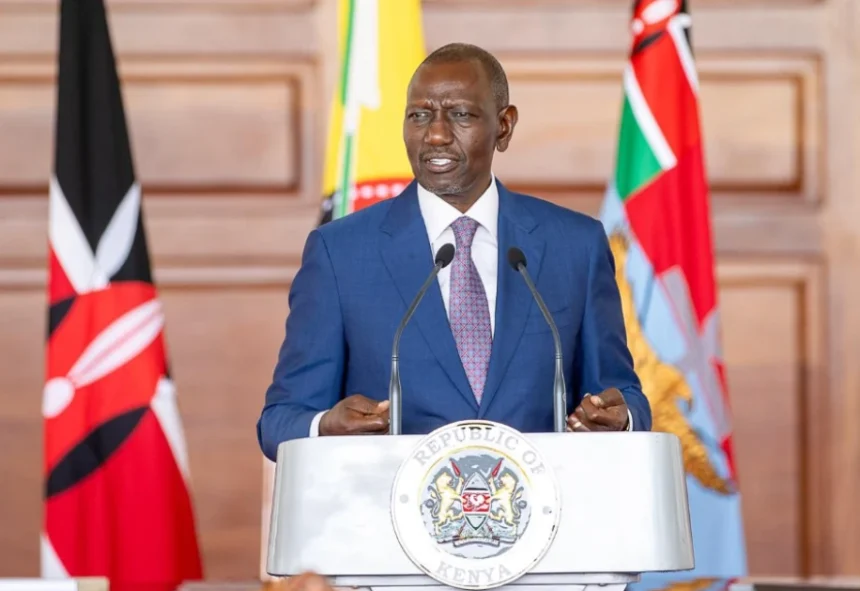
In response, the government led by President William Ruto says it has rolled out several measures aimed at protecting citizens from the worst effects of the crisis.
According to the government, billions of shillings have already been used to stabilize fuel prices, reduce taxes, and ensure the country does not experience fuel shortages despite disruptions in the global oil market.
Why Fuel Prices Have Increased
The current fuel crisis has largely been linked to the ongoing conflict in the Middle East, especially around the Strait of Hormuz — one of the world’s most important oil supply routes.
President Ruto said the conflict has disrupted global oil supply chains, causing fuel prices to rise sharply around the world. The government says prices for Super Petrol globally have increased by more than 54 percent, while Diesel and Kerosene prices have risen even higher.
Kenya, which relies heavily on imported fuel, has not been spared from the effects of the global crisis.
The increase in fuel prices recently triggered protests, transport disruptions, and nationwide concern over the rising cost of living. Public transport operators, including matatu and boda boda associations, threatened strikes after fuel prices shot up in recent weeks.
Government Says It Has Spent Ksh.28 Billion
To cushion Kenyans, President Ruto says the government has spent more than Ksh.28 billion through fuel stabilization measures and tax relief programs over the last two pricing cycles.
The government explained that part of the money was used directly through the Petroleum Development Fund to reduce the actual cost of fuel at the pump. Another portion came from tax relief after the government reduced VAT on petroleum products from 16 percent to 8 percent.
According to the President:
Ksh.6.04 billion was used for fuel stabilization during the April-May 2026 pricing cycle.
Ksh.6.41 billion in VAT revenue was foregone to reduce pressure on consumers.
Another Ksh.15.72 billion was spent during the May-June pricing cycle through stabilization and tax relief.
The government argues that without these interventions, fuel prices would be significantly higher than the current rates.
How Much Fuel Prices Were Reduced
President Ruto stated that government intervention helped lower fuel prices across the country.
According to official figures:
Super Petrol was reduced by up to Ksh.19.67 per litre.
Diesel prices dropped by up to Ksh.44.89 per litre.
Kerosene prices were reduced by more than Ksh.78 per litre in some pricing cycles.
The President also announced an additional Ksh.10 reduction in diesel prices for the upcoming June-July pricing cycle following consultations with transport stakeholders.
The move came after pressure from transport operators who warned that the high fuel costs were making business unsustainable.
VAT Reduction on Fuel
One of the biggest measures highlighted by the government is the reduction of VAT on petroleum products from 16 percent to 8 percent.
The government says this move alone has cost billions in lost tax revenue but was necessary to ease the burden on ordinary Kenyans.
Officials argue that without the VAT reduction, fuel prices would have crossed the Ksh.230 mark for petrol and gone even higher for diesel.
The tax cut was introduced as part of wider efforts to stabilize the economy and control inflation.
Assurances on Fuel Supply
Even with fears of shortages, the government insists Kenya has enough fuel reserves.
President Ruto said the government-to-government fuel import framework introduced in 2023 has helped ensure stable supply despite global disruptions.
The administration says international suppliers under the agreement are contractually required to maintain fuel deliveries to Kenya.
Government officials have repeatedly assured Kenyans that there is no fuel shortage in the country and urged the public not to panic-buy fuel.
Transport Strike and Public Protests
The fuel crisis recently sparked nationwide protests and transport disruptions across several towns in Kenya.
Matatu operators and transport associations organized demonstrations and strikes to protest the rising fuel costs. In Nairobi and other major towns, commuters were left stranded as transport fares increased sharply.
According to reports, clashes between protesters and police left several people dead and dozens injured during the demonstrations.
Following talks between the government and transport leaders, the strike was later suspended after President Ruto announced further diesel price reductions.
Opposition Criticism
Despite the government’s interventions, opposition leaders and critics argue that the current crisis reflects deeper economic problems facing the country.
Some leaders have accused the government of failing to control the rising cost of living, while others claim corruption and poor planning have worsened the fuel situation.
However, government officials insist the crisis is mainly caused by global factors beyond Kenya’s control.
Deputy President Kithure Kindiki urged politicians not to exploit the crisis for political gain, saying the government is actively working on solutions.
What Happens Next?
Kenyans are now waiting to see whether fuel prices will continue to drop in the coming months.
The government says it will continue monitoring global oil markets while maintaining fuel stabilization measures where possible. More discussions are also expected between government officials, EPRA, transport operators, and energy stakeholders.
For now, many households and businesses remain under pressure as the cost of transport, food, and other basic commodities continues to rise.
Even so, the government maintains that its interventions have prevented an even worse economic crisis and protected millions of Kenyans from higher fuel prices.