
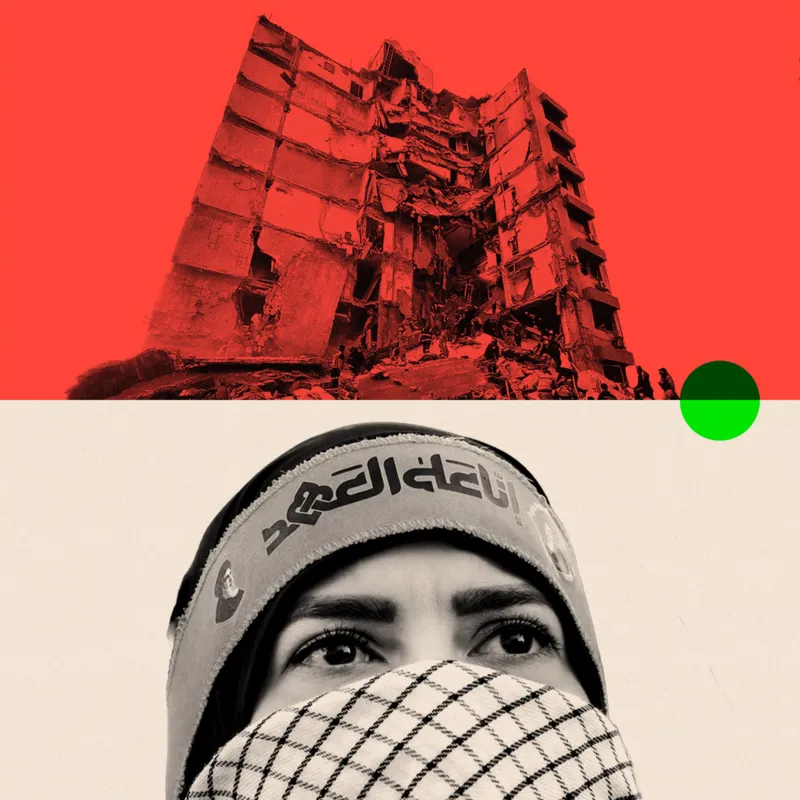
As the high-level peace talks commence in Washington D.C. today, April 14, 2026, a more visceral battle is being fought back home on Lebanese soil. It is not just a battle of bullets, but a battle for the very soul of the Lebanese state.
For decades, Hezbollah has operated as a “state within a state,” maintaining a military arsenal that rivals many national armies. But in early 2026, the tide began to shift.
The Government’s “Red Line”
The administration of Prime Minister Nawaf Salam has moved from mere rhetoric to active enforcement. Following the successful (though controversial) first phase of disarmament south of the Litani River in late 2025, the government has set its sights on the rest of the country.
The Mandate: The Lebanese Armed Forces (LAF) have been authorized to dismantle any military infrastructure not under state control.
The Obstacle: Moving north of the Litani represents a much higher risk. Hezbollah’s heartland in the Beqaa Valley and southern Beirut remains heavily fortified, and the group has branded any move against their weapons as “backstabbing” and a “Zionist project.”
Disarmament vs. Containment: The Great Debate
Inside the halls of power in Beirut, a fierce debate is raging over how to handle the militant group without sparking a full-scale civil war.
Naim Qassem’s DefianceHezbollah leader Naim Qassem remains the face of resistance.
In his most recent address on April 13, he stated unequivocally that “Hezbollah’s weapons are a red line.”
The group has used “cognitive warfare”—a mix of propaganda and threats of political unrest—to deter the LAF from pushing further north.Qassem’s strategy is clear: link the group’s survival to “national unity.”
He argues that disarming Hezbollah makes Lebanon vulnerable to Israeli occupation, a narrative that still resonates with a portion of the population despite the government’s peace efforts.The Global StakesThe world is watching closely, especially regional partners and international investors. For Lebanon to unlock the billions in reconstruction aid promised by the IMF and World Bank, it must prove it has a unified military and a stable border.