

Tension remains high within Kenya’s transport sector after matatu crews accused their leaders of betrayal following the sudden suspension of the nationwide strike that had threatened to disrupt transport services across the country.
The strike had been organized as a protest against rising fuel prices, high operational costs, and the growing economic pressure facing public transport operators. Thousands of drivers, conductors, and boda boda riders had prepared for demonstrations and service shutdowns in several towns before the strike was unexpectedly called off.
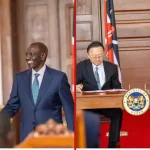
The decision came after transport union leaders held talks with government officials who promised fresh measures to cushion operators from the ongoing fuel crisis.
However, the announcement sparked immediate backlash from many transport workers who claimed they were not consulted before the strike was suspended.
Crews Say They Were Ready for Action
Across Nairobi and other major towns, many matatu crews expressed disappointment after learning the strike had been canceled.
Some operators said they had already parked vehicles and mobilized colleagues in preparation for demonstrations aimed at forcing the government to address soaring fuel prices.
Drivers and conductors accused their leaders of abandoning the protest too quickly without securing meaningful commitments from the government.
Several workers claimed the suspension only benefited transport union officials while ordinary operators continued struggling with daily business challenges.
“We agreed to strike because life has become too expensive. Fuel prices are too high and business is poor. Calling off the strike without consulting us feels like betrayal,” one Nairobi driver said.
Others questioned why union leaders rushed into negotiations before nationwide demonstrations even began.
The anger highlighted growing frustrations within the public transport industry as operators continue dealing with rising costs and reduced profits.
Fuel Prices Continue Affecting Transport Business
The transport sector has been among the hardest hit by the ongoing fuel crisis in Kenya.
Matatu owners and crews say increasing diesel and petrol prices have made operations extremely difficult, especially in urban areas where competition is already high.
Many operators claim most of their daily income now goes toward fuel expenses, leaving little money for maintenance, licenses, insurance, and personal earnings.
Some drivers also complained that passengers resist fare increases despite the rising operational costs facing transport businesses.
Boda boda riders have raised similar concerns, saying expensive petrol has reduced their profits significantly.
The financial pressure has forced some operators to reduce trips while others have increased fares to survive.
Commuters, however, continue to complain about expensive transport charges that have added to the already high cost of living.
Government Promises Relief Measures
The government says it understands the challenges facing transport operators and is working on solutions to reduce pressure on the sector.
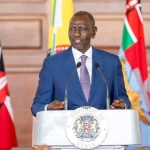
President William Ruto recently announced plans to lower diesel prices further while continuing fuel stabilization programs meant to cushion Kenyans from global oil price increases.
According to government officials, billions of shillings have already been used to stabilize fuel prices and prevent more severe increases.
The administration insists Kenya’s fuel crisis has largely been caused by global factors, including disruptions in international oil markets and tensions in the Middle East.
Officials also defended ongoing talks with transport unions, saying dialogue remains important in avoiding nationwide disruptions that could affect millions of commuters.
The government urged operators to remain patient as more measures are discussed.
Commuters Escape Major Disruptions
The suspension of the strike brought relief to many commuters who feared transport chaos across major towns.
In Nairobi, Mombasa, Kisumu, Nakuru, and Eldoret, workers and students had already started preparing for possible transport shortages before the strike was called off.
Many Kenyans worried they would struggle to reach workplaces, schools, and businesses if matatus stopped operating nationwide.
Following the announcement, transport services continued normally in most areas, although isolated protests were reported at some bus stages.
Even with normal operations continuing, commuters still complained about high transport fares which remain a major concern for low-income earners.
Some passengers accused both the government and transport operators of failing to protect ordinary citizens from the economic crisis.
Union Leaders Defend Decision
Despite criticism from some transport workers, union leaders defended the decision to suspend the strike.
Officials said the government had shown willingness to engage operators and promised further discussions on fuel pricing, taxes, and transport policies.
Some leaders warned that prolonged demonstrations could have worsened the economic situation and affected businesses across the country.
They also claimed negotiations were still ongoing and urged operators to give dialogue a chance before resuming protests.
However, several crews remain unconvinced and have threatened to organize independent demonstrations if their concerns are ignored.
The disagreement has exposed divisions within transport unions and raised questions about leadership accountability.
Growing Pressure on the Economy
Economic experts warn that continued fuel price increases could create even more pressure on Kenya’s economy.
Higher fuel costs often affect transportation, food prices, manufacturing, and other essential sectors, making life more expensive for ordinary citizens.
Small businesses, traders, and farmers have already reported increased operational expenses due to expensive transport and logistics costs.
Analysts say if fuel prices remain unstable, inflation could continue rising and reduce household spending power further.
The government, however, insists ongoing fuel stabilization measures are helping prevent a deeper economic crisis.
What Happens Next?
Transport operators are now waiting to see whether the government will fulfill promises to reduce fuel prices and support the struggling sector.
Many matatu crews say they are prepared to return to the streets if no meaningful changes are introduced soon.
For commuters, the hope is that both transport leaders and government officials will find lasting solutions without causing nationwide disruptions.
As discussions continue, the fuel crisis remains one of the biggest economic concerns affecting millions of Kenyans today.