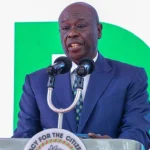


Kenya is once again in the spotlight following a shocking scandal that has shaken the country’s energy sector to its core. Three powerful figures—Petroleum PS Mohamed Liban, EPRA Director General Daniel Kiptoo, and Kenya Pipeline Company (KPC) CEO Joe Sang—have resigned after being arrested over a controversial fuel importation deal.
The sudden fall of these top officials has sparked nationwide debate, raising tough questions about corruption, accountability, and transparency in one of Kenya’s most critical sectors.
🚨 The Arrest That Changed Everything
The Directorate of Criminal Investigations (DCI) made headlines after arresting the three officials as part of an ongoing investigation into alleged irregular fuel imports.
Authorities believe the officials may have played a role in allowing fuel into the country under questionable circumstances—fuel that may not have met Kenya’s required standards.
Their arrests sent shockwaves across the country, forcing immediate resignations to pave the way for investigations.
🔍 Inside the Multi-Billion Fuel Deal
At the center of the scandal is a suspected scheme involving the importation of fuel outside official government procedures.
Reports suggest that:
Normal procurement systems may have been bypassed
Fuel prices could have been inflated
Substandard fuel may have entered the Kenyan market
If proven true, this could mean billions of shillings were lost in a deal that may have compromised both the economy and consumer safety.
😡 Public Outrage and Growing Concerns
Kenyans have reacted angrily to the news, especially amid rising fuel prices and the high cost of living.
Many are now questioning:
How such a deal could happen under the watch of top regulators
Whether more officials are involved behind the scenes
If the fuel currently in circulation is safe
Social media platforms have been flooded with calls for justice, with citizens demanding full disclosure and accountability.
🏛️ Government Promises Action
President William Ruto’s government has assured Kenyans that no one will be spared in the investigations.
Authorities have emphasized that resigning does not equal innocence, and legal proceedings will continue regardless of position or influence.
The DCI has hinted that more arrests could follow as they dig deeper into the fuel supply chain and uncover additional links.
⛽ What Happens Next?
For now, the government maintains that there is no fuel shortage, and supply across the country remains stable.
However, the scandal could lead to:
Stricter regulations in fuel importation
Leadership changes in key energy institutions
Increased scrutiny on government procurement systems
📊 Final Thoughts
This scandal is more than just a leadership crisis—it’s a wake-up call for Kenya. The energy sector plays a vital role in the economy, and any breach of trust can have far-reaching consequences.