
The tragic crash in Homa Bay that claimed 10 lives is a painfully familiar story in Kenya—a night journey, a crowded vehicle, a fatal collision, and a community left grieving. While each crash makes headlines, the underlying causes remain unaddressed, and the cycle repeats. This is not just about one accident; it’s about a systemic failure in road safety that turns nights into death traps for travelers.
This blog goes beyond the headlines to examine why night crashes are so deadly in Kenya, who is responsible, and—most importantly—what can be done to prevent the next tragedy.
1. The Deadly Triad: Why Night Crashes Are So Frequent & Fatal
A. Human Factors
Driver Fatigue: Long hours, especially after events (weddings, funerals).
Speed & Recklessness: “Night is for speeding” mentality.
Impaired Driving: Alcohol/drug use after celebrations.
Poor Night Vision: Many drivers have untreated eyesight issues.
B. Vehicle Factors
Faulty Lights & Brakes: Poorly maintained PSVs.
Overloading: Extra passengers obscure driver’s view.
No Safety Features: Lack of seatbelts, first-aid kits, fire extinguishers.
C. Environmental & Infrastructural Factors
Poor Road Lighting: Most highways are pitch black.
Unmarked Blackspots: Sharp bends, potholes, unclear signage.
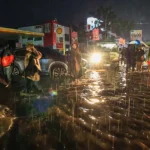
Weather: Rain, fog, dust worsen visibility at night.
Wildlife & Livestock: Uncontrolled animals on roads.
2. The Data: Night Crashes by the Numbers
Percentage of fatal crashes at night: Over 60% (NTSA, 2024).
Most dangerous hours: 8 PM – 5 AM.
High-risk routes: Homa Bay–Kendu Bay, Nairobi–Nakuru, Mombasa–Malindi, Thika–Garissa.
Most affected vehicles: Matatus, buses, motorcycles.
3. Case Study: The Homa Bay Crash in Context
What Made It Particularly Tragic:
Avoidable: The road is a known blackspot—no warnings installed.
Preventable: Vehicle likely overloaded, speeding.
Compounded by delay: Emergency response took over 40 minutes.
Similar Recent Night Crashes:
April 2025: 7 killed on Nairobi–Nakuru highway.
March 2025: 12 died in Migori night bus crash.
December 2024: 9 wedding guests killed in Bungoma (eerily similar).
Pattern: Celebrations → night travel → overloaded vehicle → blackspot → collision.
4. The Chain of Responsibility: Who’s Accountable?
Stakeholder Failure Solution
Government (NTSA, KURA) Poor road maintenance, lack of lighting, slow blackspot fixes Mandatory road audits, fast-track lighting projects
Police Limited night patrols, corruption at checkpoints Increased night patrols, integrity checks
Matatu Operators Overloading, poor vehicle maintenance Stiffer penalties, operator licensing tied to safety
Drivers Speeding, fatigue, recklessness Mandatory rest periods, night driving training
Passengers Accepting overloaded vehicles Say no to overcrowding, demand seatbelts
Community Silence on known blackspots Report hazards, community patrols
5. Practical Night Travel Safety Guide
Before Traveling:
Check Vehicle: Lights, tires, brakes.
Know the Route: Identify blackspots, alternative routes.
Travel Time: If possible, avoid 10 PM–4 AM travel.
Share Details: Share driver’s contact, vehicle plates with family.
During Travel:
Seatbelts On: Always, even in back seats.
Stay Alert: Watch for animals, oncoming high beams.
Speeding Kills: Night speed should be lower than daytime.
If Drowsy: Stop in safe area, take a break.
For PSV Passengers:
Right to Refuse: Overloading, reckless driver.
Speak Up: Politely ask driver to slow down.
Sit Behind Driver: Statistically safer.
6. Technological & Low-Cost Solutions
Immediate (Low-Cost):
Reflective Tapes on road edges, bumps, signs.
Solar-Powered LED Markers on blackspots.
Community WhatsApp Groups to report road hazards in real-time.
Medium-Term:
GPS-Based Speed Alerts for known blackspots.
NTSA Emergency Alert App with crash notification feature.
Vehicle Tracking Mandate for all PSVs.
Long-Term:
Smart Highways with motion-sensor lighting.
Automated Enforcement (speed cameras at night).
Driver Fatigue Detection Tech in public vehicles.
7. Successful Models from Other Countries
Rwanda: “Night Travel Ban” for buses (7 PM–5 AM) reduced fatalities by 40%.
Ethiopia: “Reflective Jackets” mandatory for all roadside pedestrians at night.
Botswana: “Community Road Safety Volunteers” monitor blackspots.
Ghana: “Driver Reward System” for accident-free night driving records.
8. Policy & Advocacy Opportunities
Amend Traffic Act: Harsher penalties for night traffic offenses.
Night Safety Levy: Small charge on PSV tickets to fund road lighting.
Public Awareness Campaign: “Travel by Day, Arrive Alive” initiative.
Corporate Responsibility: Companies to restrict employee night travel.
9. A Call to Collective Action
What You Can Do This Month:
Map Blackspots: Use Google Maps to tag hazardous spots in your area.
Join/Start a Road Safety WhatsApp Group for your route.
Advocate: Write to county government about unlit roads.
Train: Take a free defensive driving webinar.
Community Actions:
Night Patrol Volunteers: Rotating community watches on dangerous stretches.
Fundraise for Solar Lights: Community-funded road lighting projects.
Driver Dialogue Forums: Engage matatu drivers in safety conversations.
Conclusion: Lighting the Way Forward
The Homa Bay wedding crash, like countless others, was preventable. It’s easy to blame drivers or roads, but true change requires shared responsibility—from government to operators, drivers to passengers, communities to regulators.
Kenya must move from reactive mourning to proactive prevention. Every night journey should not be a gamble with life. As a survivor of a 2023 night crash said: “Darkness shouldn’t mean death. We can light our roads, but first we must light our conscience.”
Let this tragedy be the one that finally triggers national night safety action. Not just for Homa Bay, but for every Kenyan who travels after sunset.
Your Move:
What’s one dangerous spot on your regular route? What will you do this week to promote night travel safety?
Share your commitment below.