
The Legal and Moral Crisis: Why Catholic Bishops are Demanding a Forensic Probe into Church Violence in 2026
The start of 2026 has been marked by a staggering paradox: while global leaders discuss digital transformation and economic growth, millions of citizens are finding that their most basic right—the right to safe worship—is under systematic attack.
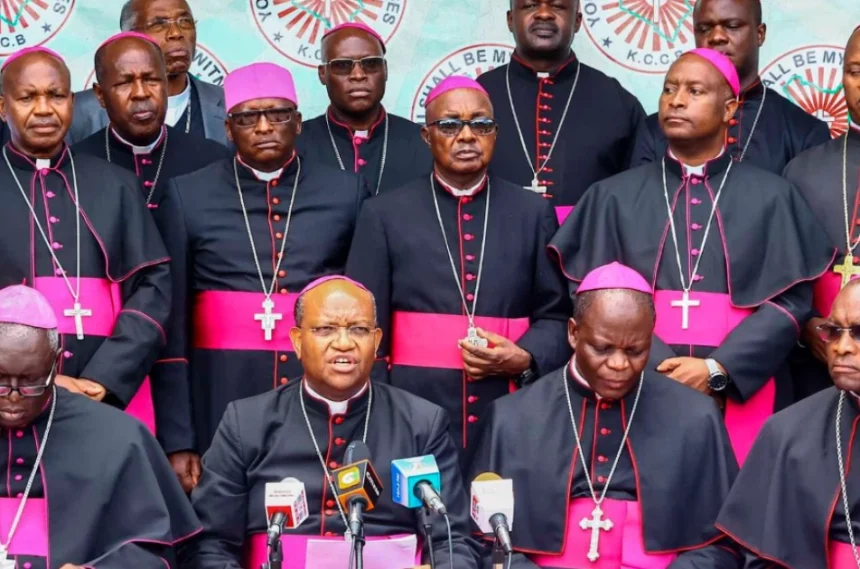
In February 2026, the Catholic Church across Africa transitioned from pastoral concern to a fierce legal stance. From the Kenya Conference of Catholic Bishops (KCCB) to the Catholic Secretariat of Nigeria (CSN), the message is uniform: “Enough is enough.” They are no longer asking for peace; they are demanding a comprehensive state probe.
1. Kenya: The Disruption of the Divine
In Kenya, the crisis hit a boiling point on February 13, 2026. During the launch of the Lenten Campaign in Lodwar, the bishops issued a statement that read more like a legal indictment than a sermon.
The “Teargas in Pews” Scandal
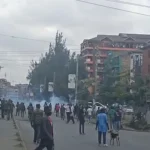
The primary catalyst was a series of incidents where state security forces allegedly used excessive force inside church properties.
The Violation: Bishops highlighted the “heinous” use of teargas during services, particularly noting an incident in Othaya where children and the elderly were trapped in a gas-filled sanctuary.
The Legal Foundation: The Church is leaning heavily on Article 32 of the Constitution, which protects religious freedom.
The Demand: They have demanded that the Inspector General of Police and the Interior Cabinet Secretary provide a public report on who authorized the entry of armed personnel and chemical agents into a place of worship.
2. Nigeria: A “Field of Grief” and the “Slaughterhouse” Statement
On February 7, 2026, the Catholic Secretariat of Nigeria released what is perhaps the most somber document in its history: “The Cry of the Innocent: Stop this Slaughterhouse in Nigeria!”
The Scale of the Tragedy
The Nigerian clergy are grappling with numbers that resemble a war zone rather than a sovereign nation in peacetime.
The Woro Massacre: Over 160 people were killed in a single coordinated attack in Kwara State in early February.
Targeting the Heart: The abduction of Fr. Nathaniel Asuwaye from the Diocese of Kafanchan on the same day the statement was released served as a grim punctuation mark to the bishops’ fears.
The Probe Demand: The CSN has demanded that the Federal Government identify the sponsors of terror. They argue that the state’s inability to stop these massacres suggests a “betrayal by silence.”
3. Sierra Leone: The Assault on the “Spiritual Fabric”
In Sierra Leone, the crisis is defined by a rise in targeted robberies and physical assaults on clergy. Following the attack on Fr. James Joshua Jamiru in late January, the bishops of Freetown, Bo, Makeni, and Kenema issued a joint cry for help.
Looting the Mission: Attackers are not just seeking valuables; they are dismantling mission stations that provide essential healthcare.
The Shift to Action: The bishops have warned that the state’s failure to provide security is inviting vigilantism, a path they desperately want to avoid but fear is becoming inevitable.
4. Analysis: Why a “Probe” is the New Strategy
Historically, the Catholic Church has used “Days of Prayer” or “Pastoral Letters” to address social ills. Why is 2026 different?
A. Command Responsibility
The bishops are now using the language of international law. By demanding a “probe,” they are forcing the government to identify a specific chain of command. If a police officer throws teargas into a church, the bishops want to know who gave the order—and they want that person held accountable under the principle of Command Responsibility.
B. Exposing the “Hired Goon” Phenomenon
In Kenya, the bishops specifically mentioned “hired goons” operating in the presence of security officers. A formal probe would force the state to explain the relationship between political militias and the National Police Service.
C. The 2027 Political Shadow
Both the Nigerian and Kenyan hierarchies see these attacks as “dry runs” for the upcoming elections. By demanding a probe now, they hope to “chill” the violence before the 2027 election cycle begins in earnest.
5. Global Echoes: The Vatican’s Role
The demands for a probe are not falling on deaf ears. On February 8, 2026, Pope Leo XIV addressed the situation in Nigeria, calling the violence a “heavy loss of life” and urging authorities to work with “determination.” This gives the local bishops international “standing,” making it much harder for local politicians to dismiss their calls for a probe as “meddling in politics.”