
What began as a horrific local crime in Mwiki, Kasarani, has rapidly transformed into an all-out political civil war at the highest levels of Kenyan governance. The brutal murder of rising gospel artist Rachel Muthoni Wandeto, who succumbed to severe 70% burn injuries after being doused in petrol and set on fire, has officially blown open the deep political fractures running through the nation’s political elite.
With the United Democratic Alliance (UDA) moving swiftly to frame the attack as a calculated act of political terror driven by intolerance, a bitter war of words has broken out between State House and opposition factions. As the country reels from the tragic loss of a young creative talent, the handling of her memory has exposed how deeply divided the political class remains ahead of the 2027 electoral cycle.
State House Breaks Silence: Ruto Demands Uncompromising Accountability
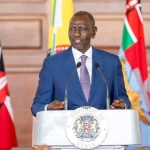
Leading the national response, President William Ruto issued an emotional yet politically charged statement heavily condemning the attack. For context, Rachel Wandeto had achieved massive viral fame across social networks earlier in the year after proudly getting a large tattoo of President Ruto’s face on her skin, alongside bold digital endorsements for his administration’s re-election platform.
YouTube
In his official address, the Head of State characterized the targeted arson as an direct assault on the democratic freedoms of expression and association. He warned that the state would utilize all available security machineries to pursue the perpetrators, fully independent of their ideological or regional connections.
“Kenya has absolutely no place for political intolerance that seeks to violently suppress free speech or democratic association,” President Ruto declared. “This barbaric act poses a direct threat to our democratic stability. The criminals who attacked this hardworking, promising young lady will be held to account, irrespective of their political or organizational affiliations.”
The Escalating Political Timeline
The political reactions have moved with dizzying speed since the fateful night of the assault:
Sunday, May 17: Interior Cabinet Secretary Kipchumba Murkomen makes a high-profile visit to Rachel’s hospital bed at KNH, vowing ruthless state intervention.
Monday, May 18: Rachel tragically succumbs to her burns; President Ruto issues a stern warning against localized political violence.
YouTube
Tuesday, May 19: The ruling UDA party organises a major national press briefing, officially classifying the killing as a coordinated hate crime.
Thursday, May 21: Major political turf wars erupt across the capital as opposition leaders accuse the state of manufacturing a political angle to deflect from a broader security failure.
The UDA Stance: Blaming the Rhetoric of Division
Amplifying State House’s hardline positions, the UDA national secretariat released a comprehensive press briefing explicitly pointing fingers at regional political leaders who have spent months mobilizing grassroots resentment against state policies. The ruling party argues that continuous, aggressive anti-government rhetoric has effectively radicalized local criminal elements, creating a hostile environment where displaying support for the President carries physical danger.
Political commentators note that the phrasing from ruling party officials subtly hits out at factions aligned with former Deputy President Rigathi Gachagua and hardline opposition elements in Nairobi, who have been actively capitalizing on public anger over the painful EPRA fuel hikes and transport paralysis to build counter-alliances.
“When senior leaders stand on public podiums week after week telling the public that anyone supporting the government is an enemy of the community, they are pulling the trigger,” a senior UDA official asserted. “Rachel was targeted because she dared to express her political love openly. This blood is on the hands of those who preach division.”
YouTube
Opposition Fires Back: “Stop Deflecting from National Insecurity”
The aggressive narrative from the ruling regime has drawn immediate, furious pushback from opposition benches and independent political commentators. Leaders aligned with the wider opposition framework have fiercely rejected the state’s claims, characterizing the UDA’s response as a cynical, opportunistic effort to exploit a horrific gender-based tragedy for cheap political mileage.
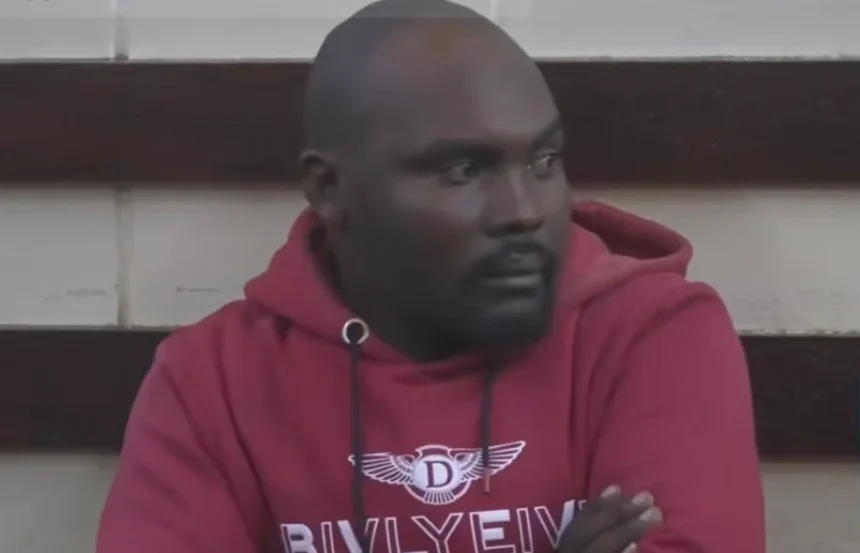
Lawmakers representing Nairobi constituencies argue that Kasarani and Mwiki have been battling a severe, documented surge in general urban insecurity, armed robberies, and organized criminal gangs for over a year. By immediately blaming “political intolerance” before the DCI homicide unit can even conclude its investigations into the detained taxi driver, the opposition claims the Executive is trying to divert attention away from its structural failure to keep Kenyan streets safe.
“A young woman is brutally murdered in her neighborhood due to a complete breakdown of local policing, and the government’s first instinct is to run a political campaign with her tragedy,” argued a prominent opposition MP. “This was a failure of national security, plain and simple. Stop using a mourning family to settle scores with your political rivals.”
The True Victim Lost in the Noise
As the political titans trade fierce accusations over television networks and digital handles, the local creative community and close friends of Rachel Wandeto are calling for a collective pause. Industry colleagues, led by popular digital influencers like Karangu Muraya, are reminding the country that behind the high-stakes political warfare lies a broken family preparing for a painful burial.
While the DCI Homicide Bureau utilizes its 10-day court-approved custody window to interrogate the primary suspect and hunt for the remaining masked attackers, the national spotlight remains firmly locked on Kasarani. Whether this tragedy will force world leaders to tone down their divisive rhetoric or simply serve as fuel for a larger political confrontation remains the critical question defining Kenya’s volatile political climate.