
The declaration of a Public Health Emergency of International Concern (PHEIC) by the World Health Organization (WHO) can easily trigger anxiety. With news of the rare Bundibugyo Ebola strain spreading in northeastern Democratic Republic of the Congo (DRC) and tracking into parts of Uganda, it is natural for citizens across East Africa to ask: How safe are we, and what is being done to stop this virus from reaching our neighborhoods?
Public health experts are emphasizing a unified message: Panic is not a strategy, but preparation is.
Because the virus relies entirely on close, direct contact to spread, it can be systematically stopped in its tracks. While epidemiologists manage the containment zones in Ituri Province, regional governments across the East African Community (EAC)—including Kenya, Tanzania, and Rwanda—are erecting a digital and physical shield of prevention.
From automated thermal screening at major transit hubs like Busia and Malaba to grassroots community surveillance, here is a practical look at how the region is safeguarding its populations and what you need to know to stay informed and protected.
1. Decoding the Symptoms: Knowing the Enemy
Ebola is a viral hemorrhagic fever, but its early stages look deceptively like common tropical ailments such as severe malaria, typhoid, or even a harsh bout of influenza. Because the rare Bundibugyo strain often presents with a slightly lower baseline mortality rate compared to the Zaire variant, early symptoms can sometimes be ignored, allowing the virus to spread silently.
Recognizing the timeline of symptoms is the first line of defense for families and local health workers:
Ebola Virus Symptom Progression Timeline
┌───────────────────────────────┬───────────────────────────────┐
│ Phase 1: The Dry Stage │ Phase 2: The Wet Stage │
│ (Days 1 to 3 of Symptoms) │ (Days 4 to 10+ of Symptoms) │
├───────────────────────────────┼───────────────────────────────┤
│ • Sudden, high-grade fever. │ • Severe, continuous diarrhea.│
│ • Intense muscle aches & joint│ • Persistent, violent vomiting│
│ pain. │ • Unexplained bruising or │
│ • Debilitating headache and │ bleeding from bodily │
│ sore throat. │ openings. │
└───────────────────────────────┴───────────────────────────────┘
Critical Safety Rule: A person living with Ebola is not contagious during the incubation period (the time between catching the virus and showing symptoms). They only become capable of transmitting the pathogen to others after they begin to show physical signs of illness.
2. The Transmission Chains: How the Virus Actually Moves
Because there is currently no approved vaccine or specific therapeutic drug for the Bundibugyo strain, understanding exactly how the virus moves is your most powerful preventative tool. Ebola is not an airborne virus like COVID-19 or influenza; it cannot travel through the air when an infected person coughs or speaks.
Instead, transmission requires direct contact with:
Infected Body Fluids: Blood, saliva, vomit, sweat, feces, or semen of a symptomatic or deceased individual.
Contaminated Surfaces: Bedding, clothing, or medical equipment heavily soiled with an infected person’s bodily fluids.
Traditional Burial Customs: Touching or washing the body of a deceased Ebola victim during funeral preparations—one of the most common vectors for sudden, explosive community clusters.
By maintaining rigorous hand hygiene using soap and running water or alcohol-based sanitizers, and avoiding unverified physical contact with individuals showing sudden, severe illness, the risk of casual transmission is reduced to virtually zero.
3. Border Defenses: Securing the East African Transport Corridors
Given that thousands of long-haul trucks and public buses travel daily between Uganda, Rwanda, and Kenya, border control points are acting as the primary firewall for the region.
Following the activation of the WHO emergency decree, the Kenya Ministry of Health, in partnership with county governments, has significantly reinforced screening architectures along the western transit corridor:
The Border Screening Protocol
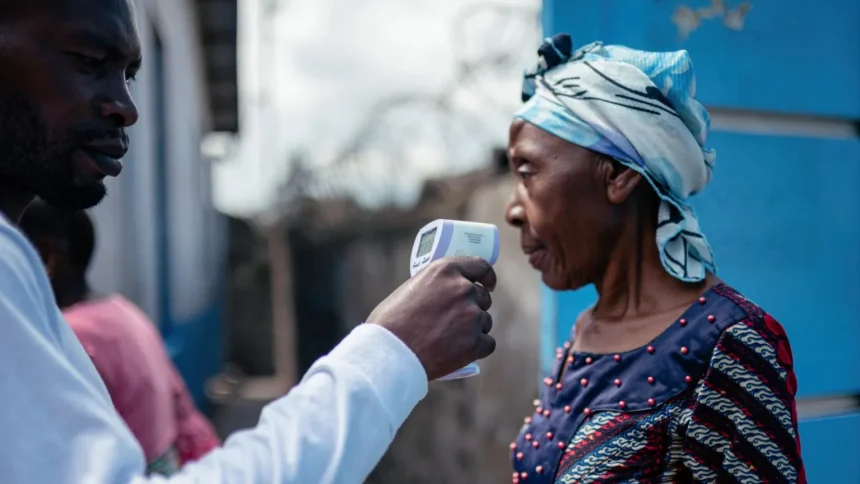
• Automated Thermal Imaging: Heavy-duty cameras scan passengers walking through the immigration bays at Malaba and Busia, flagging anyone with an elevated skin temperature for immediate secondary testing.
• Health Declaration Portals: All travelers entering from cross-border routes must complete a digital health log detailing their recent travel history and any exposure to individuals displaying fever or bleeding.
• Dedicated Isolation Pods: Specialized, negative-pressure medical tents have been pre-positioned at international border checkpoints. If a transit commuter exhibits symptoms, they are immediately isolated and tested via rapid PCR assays, bypassing local healthcare queues entirely.
Furthermore, transport Saccos operating long-distance routes between Kampala and Nairobi have been issued strict operational directives to maintain detailed passenger manifests, ensuring that if a contact tracing alert is triggered, every individual on that bus can be localized within hours.
4. Community Surveillance: The Power of the Nyumba Kumi System
The most effective public health shield doesn’t exist in a laboratory; it exists in the vigilance of local communities. Across East Africa, structures like Kenya’s Nyumba Kumi (Ten Households) community policing and surveillance framework are being leveraged to monitor health trends at the grassroots level.
Community health promoters are being trained to spot unusual health events within villages and informal settlements. If an individual returns from a cross-border journey and falls suddenly ill, or if a cluster of unexplained high-fever illnesses emerges within a single neighborhood, community elders are directed to immediately alert the sub-county disease surveillance officer.
By decentralizing the alert system, the state can identify and isolate potential threats weeks before they have a chance to balloon into an urban outbreak, saving lives and protecting the economy from disruptive localized lockdowns.
Conclusion: Victory Through Collective Vigilance
The WHO’s Public Health Emergency declaration is a call for heightened international financing and synchronized regional logistics, not a reason for public panic. The East African region possesses a deeply experienced network of medical personnel, advanced digital tracking tools, and an incredibly resilient public health infrastructure that has successfully navigated multiple viral threats over the last two decades.
By staying informed through official Ministry of Health channels, dismissing unverified social media rumors, and adhering to simple, everyday hygiene and screening protocols at transit hubs, citizens can play an active role in maintaining the region’s safety shield. The battle against the Bundibugyo outbreak will ultimately be won not just by medical scientists, but by the collective discipline and vigilance of communities across the continent.