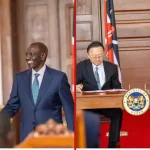


As the sun sets over the smoking ruins of the Darnytskyi district in Kyiv, the global conversation is shifting from the tragedy on the ground to the calculated intent behind it. The overnight bombardment on Thursday, May 14, 2026, was not just another strike; it was a sophisticated “Saturation Attack” involving nearly 700 drones and 56 missiles, specifically timed to coincide with one of the most significant diplomatic events of the decade: U.S. President Donald Trump’s summit with Xi Jinping in Beijing.
While rescuers continue to pull survivors from the pancaked remains of an 18-apartment section of a residential block, military analysts and world leaders are grappling with a chilling reality. This attack was a loud, violent statement intended to drown out the “peace roadmap” being discussed thousands of miles away in China.
Military Breakdown: The 2026 “Saturation” Era
For years, the world has watched the evolution of drone warfare, but May 14, 2026, marked a new threshold. The Ukrainian Air Force confirmed it engaged 693 aerial targets overnight. This represents a “swarm density” that would have been unimaginable just two years ago.
Tactical Analysis:
Drone Layering: Russia utilized a mix of “Geran-3” loitering munitions (drones) to deplete air defense interceptors. These relatively cheap drones forced Ukrainian batteries to spend millions in high-end munitions.
The Ballistic Punch: Once the “radar clutter” from the drone swarm reached its peak, Russian forces launched Iskander-M and Kinzhal missiles.
Darnytskyi Impact: It was this combination that allowed a ballistic missile to slip through the “shield.” The result was the catastrophic failure of the nine-story block in Darnytskyi, where the force of the impact was so great it caused a progressive collapse of the entire corner section.
Despite the tragedy, the Ukrainian success rate remains high—652 drones and 41 missiles were intercepted. However, as President Zelenskyy noted, “In a saturation attack, even a 95% success rate leaves several missiles to find their marks in our living rooms.”
The Beijing Link: A Message to Trump and Xi
The timing of the strike is the most debated aspect of the “May Offensive.” Just as President Trump arrived in Beijing to discuss a proposed “peace roadmap” with Xi Jinping, Moscow unleashed its longest and most intense attack of the year.
Ukrainian Foreign Minister Andrii Sybiha was quick to draw the connection, stating that Putin launched the barrage at the “very time when leaders of the most powerful countries are meeting.” The message from Moscow appears to be two-fold:
To Washington: Russia will not be dictated to by any U.S.-led peace plan.
To Beijing: Russia remains a volatile and necessary actor in any security arrangement for Eurasia.
By leveling an apartment block during the summit, Russia effectively “hijacked” the news cycle, ensuring that the talk of peace was underscored by the reality of continued destruction.
The NHS Link and the Global Economy
While it may seem distant, the instability caused by these massive strikes has ripple effects across the globe. In the UK, the sudden shift in attention back to the Ukraine conflict has added pressure to the newly leaderless Labour government following Wes Streeting’s resignation.