

The logic behind the Tax Laws (Amendment) Bill 2026 is simple: A worker with Sh3,000 extra in their pocket isn’t going to hoard it; they are going to spend it. By exempting 1.5 million people from income tax and cutting rates for the middle class, the government is essentially injecting liquidity directly into the retail and service sectors.
1. Reviving the “Hustler” Economy
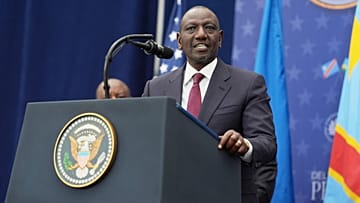
During a meeting at State House yesterday, President Ruto emphasized that this relief is about “restoring the dignity of the Kenyan worker.”
Spending = Growth: The Treasury expects that the increased disposable income will boost demand for local goods—everything from maize flour and milk to clothing and electronics.
The Sacco Factor: Banks and Saccos, which have reported a dip in savings due to high inflation, are optimistic that these tax cuts will encourage a return to healthy saving and loan repayment patterns.
2. The Hunt for the “Missing” Billions
To afford these cuts, the government isn’t just printing more money. Treasury CS John Mbadi has made it clear: the tax burden is shifting from salaries to wealth and business income.
The Rental Income Target: Mbadi revealed a startling gap in the property sector. While the government should be collecting Sh100 billion from rental income, it currently only realizes Sh17 billion.
Intensified Monitoring: The KRA is being equipped with advanced digital tools to track real estate and large business transactions, ensuring that those “making big money” contribute their fair share, rather than relying on the 3.5 million salaried workers to carry the nation.
3. Bridging the Deficit
Critics are asking if these cuts will widen the national debt. However, the government’s 2026 fiscal strategy relies on a “broader net”:
Expanding the Base: The goal is to grow the active taxpayer base from 7 million to 11.5 million by June 2027.
Simplification: By making it cheaper and easier for small businesses to comply (including mobile money tax payments), the KRA hopes to capture more revenue from the informal sector than they ever could through high, punitive tax rates.