
1. The “Green Movement” Without a Head
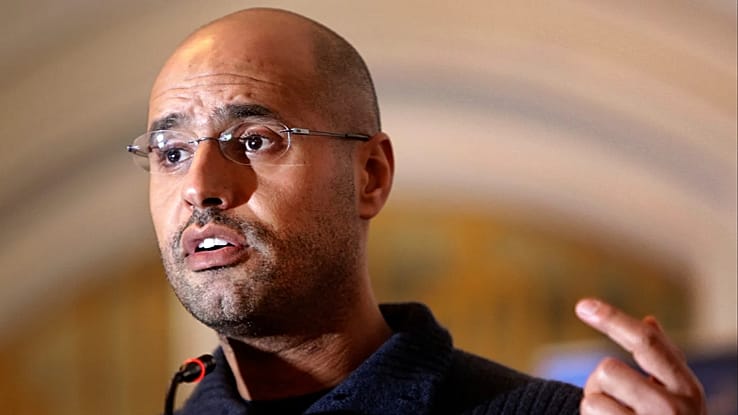
For years, the Popular Front for the Liberation of Libya (PFLL) and the broader “Green Movement” (loyalists to the former Jamahiriya) viewed Seif al-Islam as their only viable path back to power.
The Loyalty Factor: Unlike other Gadhafi family members, Seif remained on the ground in Libya. His death leaves the Warfalla and Gadhafa tribes without a unifying national figurehead.
The Risk of Sabotage: In the wake of the killing, loyalist groups have already begun mobilizing on social media, calling Seif a “Martyr of National Unity.” Analysts fear this anger could translate into the sabotage of oil infrastructure or a refusal to participate in any future UN-backed political processes.
2. The Bipolarity of Power: Haftar vs. Dbeibeh
With the “Third Way” (the Gadhafi restoration) now off the table, the Libyan political landscape has been radically simplified—and polarized.
A Forced Marriage? Some regional experts suggest the assassination removes a major obstacle to a power-sharing deal between Saddam Haftar (East) and the Dbeibeh camp (West). Without Seif al-Islam to worry about, these two giants may find it easier to split the country’s oil revenues and security apparatus between them.
The Russia Factor: Seif was widely considered a key ally of Moscow. His removal is a strategic blow to Russian influence in western Libya, potentially forcing the Kremlin to consolidate its support even more heavily behind Field Marshal Khalifa Haftar.
3. The Zintan Security Crisis
The city of Zintan, which had protected Seif al-Islam for over a decade, is now under a microscope.
Internal Rifts: The assassination reveals a deep security breach within the Zintan military councils. There is growing speculation that the “four-man commando” unit had inside help, leading to a surge of internal suspicion and the potential for “cleansing” operations within the city’s various brigades.