

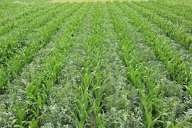
Gone are the days when farming in Kenya was only about maize, beans, and tea. A quiet revolution is sweeping across the country’s agricultural landscape—small-scale farmers are turning to high-value, niche crops that deliver remarkable returns per acre, attract export markets, and transform subsistence plots into thriving agribusinesses.
If you have even a quarter-acre of land, access to water, and a willingness to learn, you could be part of this transformation. This guide explores 7 high-value crops that are changing lives and how you can start.
1. Avocado: Kenya’s Green Gold
Why It’s High-Value:
Global demand (especially from Europe and China) continues to soar. Kenya is now the world’s 6th largest avocado exporter.
Quick Facts:
Varieties: Hass, Fuerte, Pinkerton
Time to Harvest: 2–3 years (grafted seedlings)
Potential Yield: 800–1,200 fruits per tree annually
Estimated ROI per Acre (Year 4+): KES 500,000 – 1,200,000
Getting Started:
Start with certified grafted seedlings (KES 200–300 each)
Join an out-grower program with exporters like Kakuzi or Sunripe
Tip: Intercrop with beans or capsicum in early years for interim income
2. Strawberries: Small Space, Big Returns
Why It’s High-Value:
High demand from hotels, supermarkets, and juice processors; can be grown in sacks, vertical gardens, or greenhouses.
Quick Facts:
Varieties: Chandler, Festival, San Andreas
Time to Harvest: 3–4 months from seedlings
Potential Yield: 8–15 tons per acre annually
Market Price: KES 400–800 per kg
Getting Started:
Use drip irrigation for optimal water use
Sell directly to city markets, restaurants, or via Facebook pre-orders
Tip: Partner with a school or agrovet for starter kits and training
3. Capsicum (Colored Bell Peppers)
Why It’s High-Value:
Year-round demand; sells for 3–5 times the price of traditional vegetables.
Quick Facts:
Colors: Red, yellow, orange, green
Time to Harvest: 2.5–3 months
Potential Yield: 15–25 tons per acre annually (greenhouse)
Best For: Greenhouse or shade-net farming
Getting Started:
Invest in a greenhouse (small 8x15m costs ~KES 150,000)
Export through companies like East African Growers
Tip: Start with one color (red fetches the highest price)
4. Stevia: The Sweet Diabetes-Friendly Herb
Why It’s High-Value:
Used as a natural sweetener; growing global health consciousness boosts demand.
Quick Facts:
Form: Leaves dried and powdered
Time to Harvest: 4–6 months (multiple harvests per year)
Buyers: Pharmaceutical companies, beverage manufacturers
Price: KES 800–1,500 per kg of dried leaves
Getting Started:
Requires contract farming—connect with Stevia Kenya Ltd or Export Processing Zones Authority
Tip: Excellent for arid and semi-arid areas; drought-resistant
5. French Beans (Export Grade)
Why It’s High-Value:
Kenya is a top exporter to Europe; short growing cycle means quick returns.
Quick Facts:
Type: Extra fine, fine, and long varieties
Time to Harvest: 50–60 days
Potential Earnings: KES 200,000 – 400,000 per acre per season
Season: Can grow year-round with irrigation
Getting Started:
Must follow GlobalG.A.P. certification for export
Join cooperative societies like Naturals Ltd for training and market access
Tip: Succession planting ensures continuous supply to buyers
6. Dragon Fruit: The Exotic Superfood
Why It’s High-Value:
Exotic status commands premium prices; high yields per plant; grows well in dry areas.
Quick Facts:
Varieties: Red and white flesh
Time to Harvest: 1.5–2 years
Yield: 20–30 fruits per pole annually (each fruit sells at KES 200–500)
Lifespan: Productive for 20+ years
Getting Started:
Requires trellising (concrete or wooden poles)
Sell to high-end supermarkets, hotels, and export markets
Tip: Can be grown in arid areas like Kitui, Makueni, and parts of Rift Valley
7. Herbs: Basil, Mint, Rosemary & Coriander
Why It’s High-Value:
High demand from restaurants, supermarkets, and export; can be grown in small urban spaces.
Quick Facts:
Best Herbs: Basil (sweet genovese), mint, rosemary, coriander
Time to Harvest: 4–8 weeks
Potential: KES 300,000 – 600,000 per acre annually
Market: Hotels (like Sarova, Serena), export through Herbs Kenya
Getting Started:
Hydroponics or sack gardening ideal for urban areas
Package as fresh bunches or dried
Tip: Deliver twice weekly to ensure freshness for premium buyers
8. Success Blueprint: From Planting to Profit
Step 1: Start Small & Learn
Begin with 1/8 acre or even containers
Master the crop before scaling
Step 2: Secure Your Market First
Contract farming reduces risk
Visit markets, talk to exporters, join Facebook agri-groups
Step 3: Invest in Quality Inputs
Certified seeds/seedlings
Soil testing (affordable at Kalro or county agri-offices)
Efficient irrigation (drip kits save water and increase yield)
Step 4: Keep Meticulous Records
Track every expense and sale
Use simple apps like Farm Africa Diary
Step 5: Add Value Where Possible
Wash, grade, and package attractively
Consider simple processing (drying herbs, making strawberry jam)
9. Real-Life Success Story: Mary’s Capsicum Venture
Mary Wanjiku, a farmer in Kirinyaga, started with 1/4 acre greenhouse of colored capsicum in 2022.
Initial Investment: KES 180,000 (greenhouse, seedlings, drip irrigation)
First Year Revenue: KES 680,000
Buyer: Export contract via Tharaka Nithi Farmers Cooperative
Her Advice: “Start with training, not with planting.”