
1. The Demand for “No-Fire” Zones
In the wake of Saturday’s shooting, the Law Society of Kenya (LSK) and human rights groups have drafted a petition to the Inspector General of Police. They are demanding the immediate implementation of the “Sheryl Standard”:
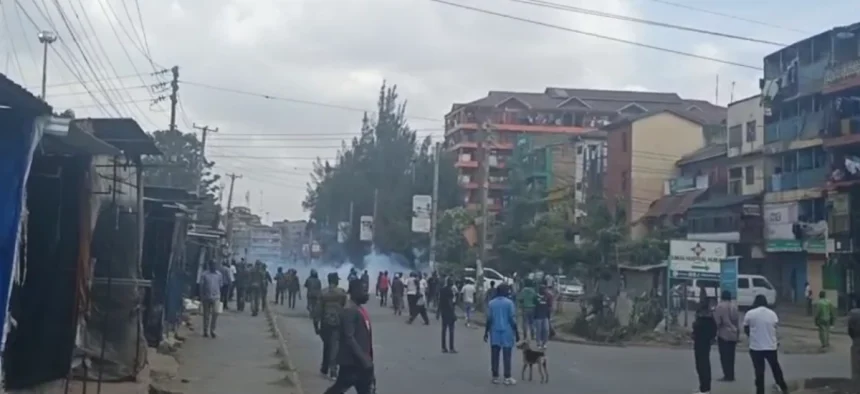
Restricted Use of Force: The proposal calls for a total ban on the use of high-caliber rifles during routine pursuits in “high-density zones” like Huruma, Mathare, and Kibera, where the risk of collateral damage is near 100%.
Non-Lethal First: Activists are pushing for a mandatory “non-lethal” first policy in residential chases, requiring officers to prioritize tasers or physical apprehension over the discharge of firearms in crowded corridors.
The “Pursuit Pause”: The draft policy suggests that if a pursuit enters a densely populated market or residential block, officers must prioritize “containment and tracking” over “active firing” to protect innocent bystanders.
2. IPOA’s Strategic Shift: 2025–2030 Roadmap
The timing of Sheryl’s death coincides with the launch of IPOA’s Strategic Plan 2025–2030. The authority is using this case to test its newly strengthened “Rapid Response” framework.
Real-Time Accountability: IPOA investigators are now using body-worn cameras and digital scene reconstruction to challenge the “stray bullet” defense.
Command Responsibility: Under the new strategy, IPOA is not just investigating the officer who pulled the trigger; they are investigating the Commanding Officer (OCS) of the Huruma Police Post to determine if the mission was poorly planned or violated the National Police Service Act’s rules on proportionality.
3. The KMTC “Safe Transit” Initiative
Sheryl’s classmates aren’t just protesting; they are organizing. The KMTC Student Union has launched the “Safe Transit” initiative to protect students who live off-campus in high-crime areas.
Emergency Hotlines: Students have created a peer-to-peer alert system to warn each other of active police operations or riots in areas like Huruma.
Institutional Support: KMTC management is currently in talks with the Ministry of Interior to provide designated, secure shuttle buses for students during evening hours to minimize their exposure to the “hot zones” of the city.