
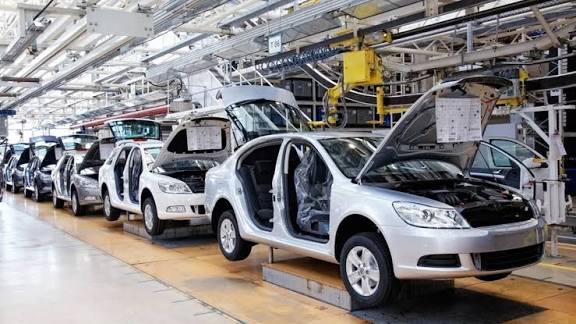
The partnership between Rideence Africa and Associated Vehicle Assemblers (AVA) represents a “marriage of convenience” that could reshape East African transport. By shifting from importing fully built units to assembling Completely Knocked-Down (CKD) kits in Mombasa, Henrey EV is effectively “hacking” the Kenyan tax code to benefit the local consumer.
1. The CKD Advantage: Bypassing the 35% Wall
In 2026, the Kenyan government remains firm on its policy to protect local industry.
The Duty Exemption: Fully built EVs are subject to a 35% import duty. However, by importing “kits” and assembling them at the AVA plant in Mombasa, Rideence qualifies for an exemption, allowing them to pass those savings directly to the driver.
Excise & VAT: Combined with the lower 10% excise duty and VAT exemptions for green technology, the price of a Henrey EV—currently between KSh 2.5M and KSh 2.8M—is projected to become the most competitive in the “small car” market.
2. The “Employment Multiplier” Effect
While the investment is KSh 320 million, the economic impact is far larger.
3,000 New Roles: Rideence expects this assembly phase to generate 3,000 direct and indirect jobs. These range from factory floor technicians at the AVA plant to a new wave of “EV specialized” mechanics in independent garages.
Local Sourcing: The company has set a target of 25% local parts procurement by the end of 2026. This means Kenyan manufacturers of tires, glass, upholstery, and batteries now have a massive new client.
3. Bridging the Skills Gap
One of the biggest hurdles for EV adoption in Africa has been the lack of “after-sales” support. Rideence is addressing this through education.
University Partnership: The firm is in advanced talks with the University of Nairobi to launch specialized EV technology programs.
Vocational Training: Rideence’s service centers are doubling as training hubs, ensuring that as the fleet grows from 180 to over 2,000 vehicles in the next two years, there is a workforce ready to maintain them.