
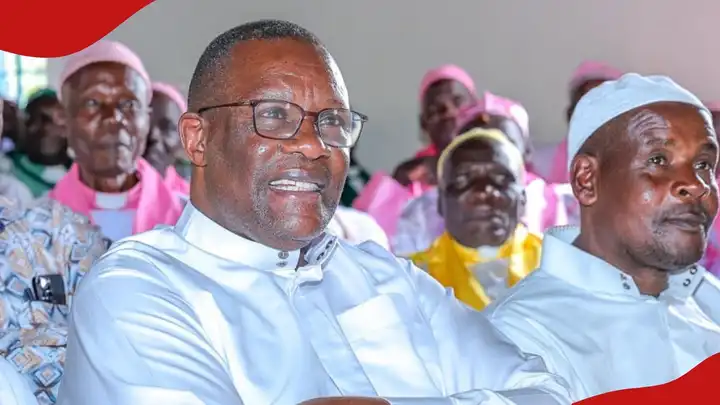
Former Cabinet Secretary Eliud Owalo has officially declared his intention to run for Kenya’s presidency in 2027, stating that his years of public service and proven track record provide him with the confidence to lead the nation. Owalo’s announcement has already sparked discussions across the political landscape, with supporters emphasizing his experience and critics raising questions about his nationwide appeal.
Early Career and Public Service
Eliud Owalo’s journey into politics and public service has been marked by a blend of administrative experience, policy expertise, and technocratic competence. Before venturing into the political spotlight, Owalo held key advisory and leadership roles in government, focusing on policy formulation, governance reforms, and strategic development initiatives.
His supporters argue that these roles provided him with a deep understanding of how government functions, equipping him with the skills needed to manage national institutions effectively. Over the years, Owalo has built a reputation as a meticulous, results-oriented leader—a profile he now presents as the foundation of his presidential ambition.
A Track Record That Inspires Confidence
When announcing his 2027 presidential bid, Owalo emphasized his belief in his track record, framing it as evidence that he can deliver results at the highest level of leadership. Analysts say this strategy is designed to distinguish him from competitors who rely solely on charisma, regional alliances, or political theatrics.
Throughout his career, Owalo has overseen initiatives that focused on:
-
Efficient public service delivery
-
Policy-driven economic reforms
-
Infrastructure and governance improvements
-
Technocratic oversight of national projects
His emphasis on results-driven leadership appeals to voters seeking accountability and measurable performance in government.
The 2027 Presidential Vision
Owalo’s vision for 2027 revolves around practical, actionable governance. While details of his campaign manifesto are still emerging, he has signaled a focus on:
-
Strengthening public institutions
-
Boosting economic opportunities for youth and women
-
Promoting transparency and accountability
-
Implementing policies that support sustainable growth
Political commentators note that positioning his campaign around competence and track record is an attempt to resonate with voters disillusioned by unfulfilled promises in past elections.
Public Reaction and Political Implications
The announcement has generated mixed reactions from Kenyans. Supporters praise his technocratic approach, highlighting that leadership should prioritize experience and delivery:
-
“Finally, a candidate focusing on results.”
-
“Eliud Owalo has the knowledge to run the country efficiently.”
Critics, however, argue that presidential success in Kenya often requires charisma, widespread grassroots networks, and coalition-building skills. While Owalo has the credentials, political analysts say his challenge will be to translate his experience into mass appeal across counties.
Despite these debates, the announcement has positioned him as a serious contender, and other aspirants are likely to take note.
Early Declaration: Strategy and Advantage
Owalo’s early announcement reflects a broader trend in Kenyan politics, where aspirants declare intentions years ahead to:
-
Build name recognition nationwide
-
Strengthen political networks
-
Engage early in coalition-building talks
-
Control their narrative
By presenting himself early as a leader of proven ability, Owalo is signaling to voters and political allies that he intends to be a key player in the 2027 race.
Challenges Ahead
While Owalo’s credentials are strong, analysts highlight several challenges he must overcome to mount a competitive campaign:
-
Building grassroots networks across regions
-
Creating a compelling national narrative beyond technocratic credentials
-
Competing with established political heavyweights with entrenched support bases
-
Connecting with younger voters and first-time voters
Navigating these challenges successfully will be crucial to translating his experience into electoral success.
Why This Announcement Matters
Owalo’s bid is significant because it brings technocratic leadership and results-based governance into the 2027 conversation. At a time when many Kenyans are frustrated by broken promises and governance gaps, his campaign could shift the debate toward competence, delivery, and institutional reform.
For political observers, it also reflects the increasing diversity of candidates seeking Kenya’s presidency—not just seasoned politicians, but leaders with professional experience and performance-oriented track records.
Final Thoughts
Eliud Owalo’s announcement to run for Kenya’s 2027 presidency is more than just a political statement—it’s a call to voters to consider leadership based on experience and results. By emphasizing his track record, he positions himself as a candidate who prioritizes effective governance, accountability, and measurable outcomes.