

While Tom Homan and Governor Walz trade barbs in press conferences, the real battle is happening on the residential blocks of Whittier, Phillips, and Cedar-Riverside. This isn’t just a protest; it’s a sophisticated, community-led infrastructure designed to make federal operations impossible.
1. Defend 612: The Rapid Response Network
The heart of the resistance is Defend 612, a coordinating body that has linked over 80,000 neighbors through encrypted messaging apps.
The Whistleblower System: When a white federal van is spotted, “ICE watchers” blow literal whistles to alert the block. Within minutes, a Signal alert triggers a “converge” command.
Bearing Witness: Volunteers don’t just protest; they document. Using high-definition cameras, they record every interaction to ensure that “narrative control” remains in the hands of the community, especially following the disputed accounts of the Renee Good and Alex Pretti shootings.
2. The “Filter Blockade” Strategy
Residents have moved from passive observation to active disruption. In several South Minneapolis neighborhoods, “filter blockades” have become a daily feature.
Tactical Roadblocks: Neighbors use their own vehicles, orange stakes, and even heavy snow piles to create “filters” that allow local traffic through but force federal convoys into bottlenecked areas.
The “License Plate Database”: A shadowy but highly effective group of volunteers has compiled a live, searchable database of unmarked federal vehicles. Neighbors can snap a photo of a suspicious SUV and instantly verify if it’s a known “surge” vehicle.
3. The “Shadow School” & Mutual Aid
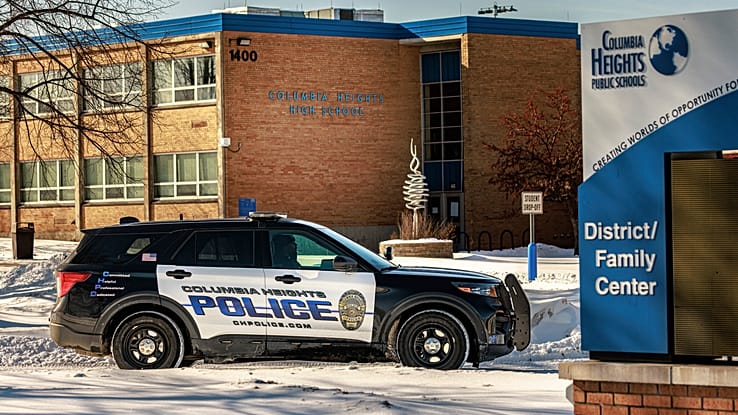
With attendance at local schools like Fridley still down by 30%, the community has stepped in where the state cannot.
Neighborly Protection: In a move reminiscent of the 1960s, “Parent Patrols” now escort students to bus stops to prevent the repeat of the Liam Conejo Ramos incident, where a 5-year-old was detained by authorities.
Economic Solidarity: Local bars and cafes, like those along Nicollet Avenue, have transformed into “field hospitals” where medics treat residents for chemical irritants (like pepper spray) used during federal raids.